








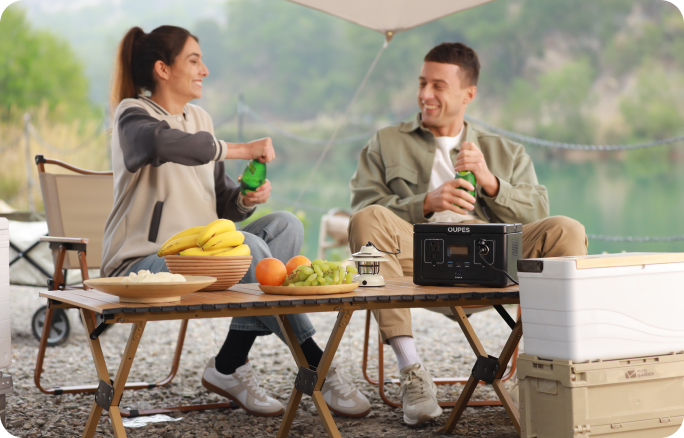
Choosing between tent camping and RV camping is not really about which one is “better.” It is about which one matches your travel style, comfort expectations, budget tolerance, destination access, and power needs. For some people, the right camping trip means sleeping close to the ground, packing light, and waking up to a simpler outdoor experience. For others, camping is better when it includes a mattress, weather protection, indoor storage, easier cooking, and enough power for longer stays.
The good news is that both options can be great. The National Park Service treats both tent camping and RV camping as valid ways to enjoy parks, but it also makes clear that campgrounds vary widely in regulations, facilities, reservations, food storage rules, and site size limits.[1][2] That is the real starting point for this decision: not social media aesthetics, but the realities of how you actually camp.
Table of Contents
- The short answer
- The core difference between tent camping and RV camping
- Comfort and weather protection
- Access, site restrictions, and where each works best
- Setup complexity and daily convenience
- Power needs and off-grid planning
- Who should choose tent camping, and who should choose RV camping?
- Where OUPES fits into the picture
- References
- FAQ
The short answer
If you want a lower-complexity outdoor experience, easier access to simpler campsites, and a stronger sense of being immersed in nature, tent camping is often more suitable. If you care more about comfort, climate protection, storage, family convenience, and longer stays with more gear, RV camping is often the better fit.
That said, the decision changes quickly once you look at real campground conditions. The NPS advises campers to check whether a site has potable water, showers, flushing toilets, food-storage rules, reservations, maximum group size, and whether they need to park an RV or need electrical hookups.[1] In other words, the “right” choice is usually the one that matches both your preferences and the site’s actual limitations.
The core difference between tent camping and RV camping
Tent camping is centered on portability and simplicity. RV camping is centered on shelter and convenience. That sounds obvious, but it affects nearly everything else.
| Factor | Tent Camping | RV Camping |
|---|---|---|
| Shelter style | Soft-sided, lightweight, more exposed to weather | Hard-sided, more enclosed, stronger weather barrier |
| Access | Easier fit for simpler sites and some dispersed camping setups | Limited by vehicle length, turning space, and campsite pad size |
| Power expectations | Usually lower | Usually higher |
| Packing style | More selective and minimalist | More storage and more gear tolerance |
| Camp routine | More manual setup and breakdown | More convenience once parked and leveled |
That difference is reflected in official campground guidance. The NPS notes that frontcountry campgrounds often require you to think about site boundaries, tent location, cooking areas, bathrooms, showers, parking needs, and whether you need electrical hookups.[1] For RV travelers, campsite fit is even more important because many sites have strict size limitations or limited turning radius.[3][4]
Comfort and weather protection
This is where RV camping usually wins. A tent can be extremely enjoyable in good weather, but it is still a fabric shelter sitting close to the ground. The Forest Service recommends pitching a tent on level ground, avoiding low areas that can flood or turn muddy, keeping the tent away from campfires, and never using a flame or heating device inside a tent.[5] Those are basic safety rules, but they also show the limits of tent comfort. Your sleeping temperature, dryness, and wind exposure all depend heavily on campsite choice and weather conditions.
The NPS adds that campers should look for hazards such as flash flooding, lightning, wind, dead branches, ravines, and unsafe terrain when selecting a campsite.[1] Tent camping therefore rewards campers who are willing to manage the environment directly.
RV camping reduces a lot of that exposure. You sleep off the ground, store more gear indoors, and have a more stable barrier against rain, cold, or wind. That does not make RV camping carefree, but it usually makes it more forgiving for families, older travelers, beginners, and people who still want outdoor travel without fully giving up climate protection.
Access, site restrictions, and where each works best
This is where tent camping often pulls ahead. Tent setups are smaller, lighter, and easier to fit into a wider range of sites. Many public lands also support dispersed camping, where the basic rule is to camp away from developed facilities while respecting posted restrictions. The Bureau of Land Management states that dispersed camping is generally limited to about 14 days within a 28-day period, and vehicles must stay on designated roads and trails unless an area specifically allows otherwise.[6]
That flexibility often suits tent campers better than RV campers. RV camping is much more dependent on site dimensions and campground design. Yosemite, for example, notes that many campsites have different maximum lengths for RVs and trailers, that turning radius can limit fit, and that if your equipment does not fit the site you reserved, you may not be moved to another site.[3] Yosemite also explains that only a small number of sites can handle the largest RV lengths.[3]
Other campgrounds may include hookups, dump stations, paved aprons, or showers, but those features are not universal. The Forest Service notes that developed campgrounds may include restrooms, potable water, electrical hookups, picnic areas, garbage cans, tent pads, and group shelters, but many campgrounds do not have all of these amenities.[7] That matters because many new RV campers assume hookups are standard when they are not.
| Access Question | Tent Camping | RV Camping |
|---|---|---|
| Can it fit smaller or uneven sites more easily? | Usually yes | Often no |
| Does it depend on vehicle length restrictions? | Rarely | Very often |
| Is it easier for more primitive camping styles? | Usually yes | Depends on road access and legal site suitability |
| Do hookups matter a lot? | Usually not | Often yes, depending on expectations |
Setup complexity and daily convenience
Tent camping usually starts faster in a gear sense, but it can feel slower in daily living. You must pick the exact tent spot, clear the ground, pitch the tent, manage sleeping pads or cots, keep weather-sensitive items dry, and organize food carefully. The NPS recommends separating your tent, cooking station, and eating station for safety and comfort, and keeping food stored away from wildlife.[1]
RV camping can involve more complexity before the trip and during arrival, especially for drivers who are less comfortable with larger vehicles. Yosemite specifically notes that winding roads, steep grades, traffic, and limited parking can make RV travel more challenging for inexperienced drivers.[4] But once the RV is parked, set up, and connected, daily life is usually easier. You have built-in storage, indoor seating, better sleeping insulation, and often a simpler cooking routine.
So the convenience question is not simply “which one sets up faster?” It is more about where you want the effort to happen. Tent camping usually asks for more effort in the living part of the trip. RV camping usually asks for more effort in the driving, parking, and site-fitting part.
Power needs and off-grid planning
Power is one of the clearest dividing lines between tent camping and RV camping. Tent campers usually need less: phone charging, lighting, a fan, camera batteries, maybe a small cooker or laptop. RV campers often expect more: longer lighting use, device charging for multiple people, portable refrigeration, entertainment, or even partial air-conditioning support depending on the setup.
That does not mean tent camping is “better” because it uses less power. It simply means the electrical plan is often lighter and easier. For many tent campers, low-power preparation matters more than large energy storage. The NPS’s Ten Essentials guidance highlights fundamentals such as illumination, insulation, and weather preparedness, which are often more critical than high electrical consumption in a tent-based trip.[8]
RV campers, by contrast, need to think more carefully about campground amenities, generator rules, hookups, and how much power they want when hookups are unavailable. Some parks restrict generator hours, and not all RV-friendly campgrounds provide full hookups.[3][7] If electric comfort matters to you, the difference between tent and RV camping becomes partly a power-planning decision.
Who should choose tent camping, and who should choose RV camping?
Tent camping is usually more suitable if you:
- want a more direct outdoor experience
- are comfortable with simpler shelter and more manual campsite setup
- prefer smaller, lighter, and more flexible campsite logistics
- plan to keep your electrical needs modest
- like the idea of simpler camp routines and lower gear bulk
RV camping is usually more suitable if you:
- prioritize comfort, storage, and stronger weather protection
- camp with children, older adults, or people who need easier sleeping conditions
- want longer trips with more built-in convenience
- care more about indoor shelter, cooking convenience, and climate control
- are willing to plan around site size, reservations, and campground infrastructure
In practical terms, tent camping is often the better fit for campers who want the trip itself to feel more outdoor-focused. RV camping is often the better fit for campers who want the destination to feel outdoor-focused while keeping more indoor comfort during the trip.
Where OUPES fits into the picture
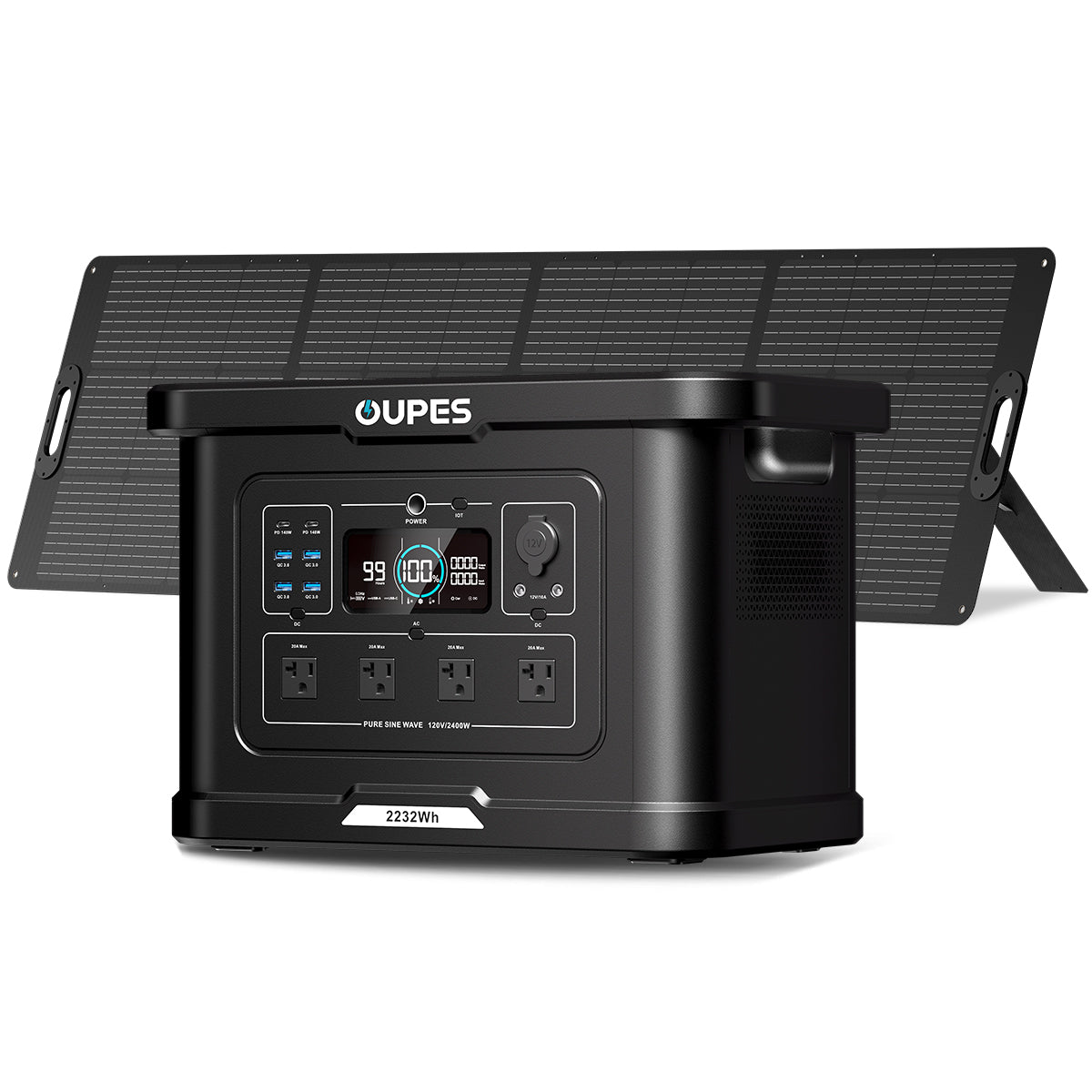
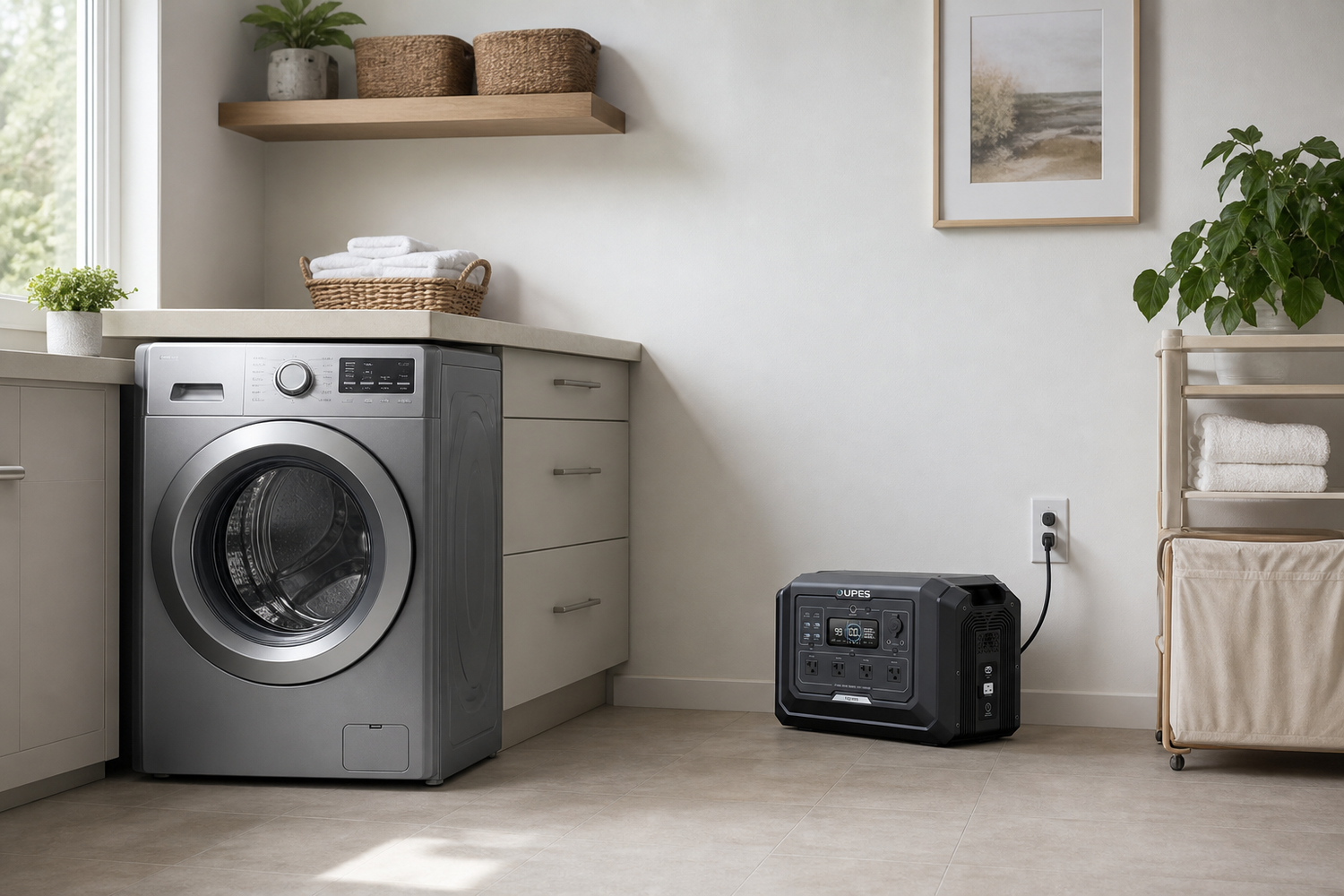
If your decision comes down to how much comfort and electricity you want to bring, portable power can help bridge the gap between these two styles. For lighter tent-camping power needs, the OUPES Exodus 1500 is listed at 1488Wh and 1500W, which makes it a practical fit for lighting, charging, and other moderate campsite loads.[9]
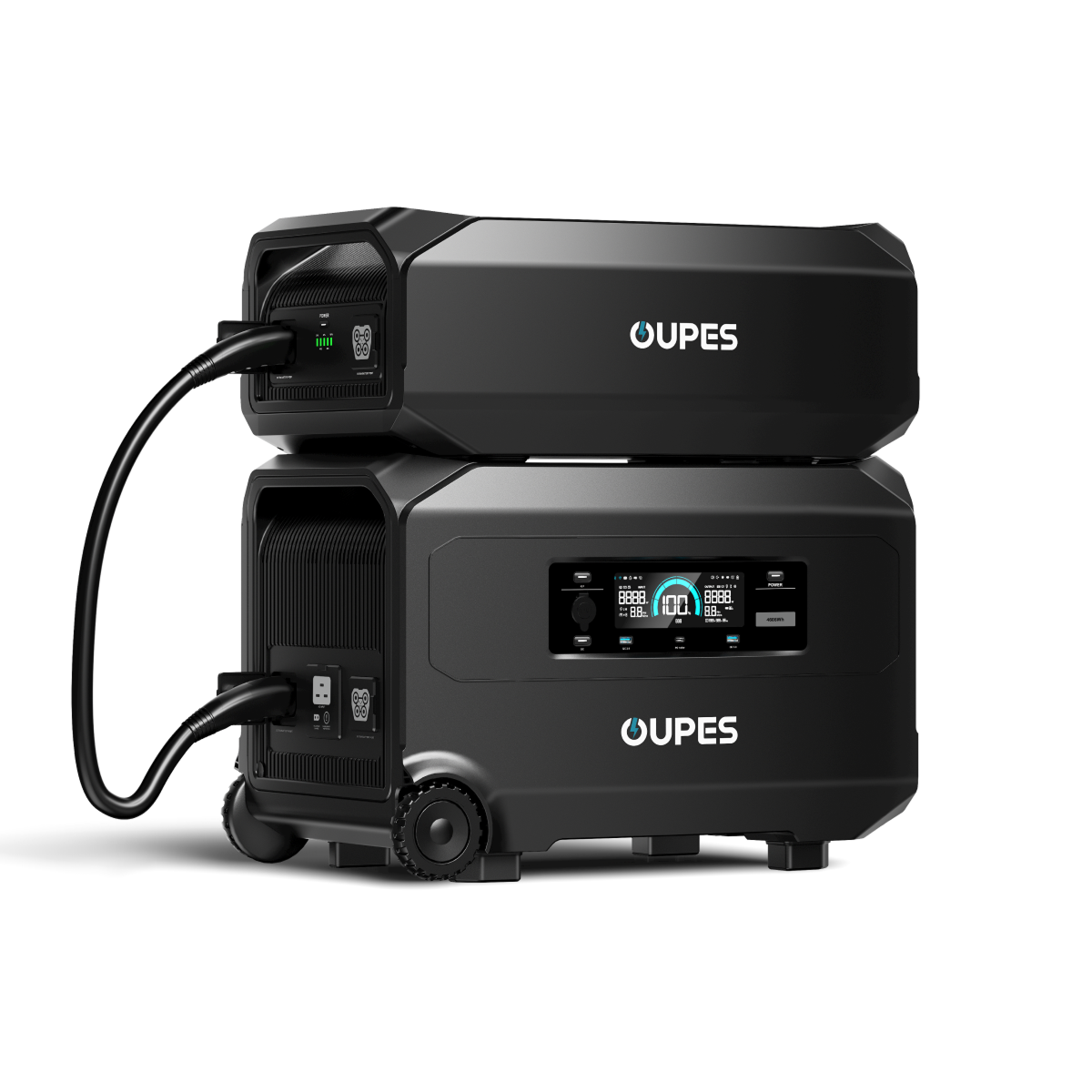
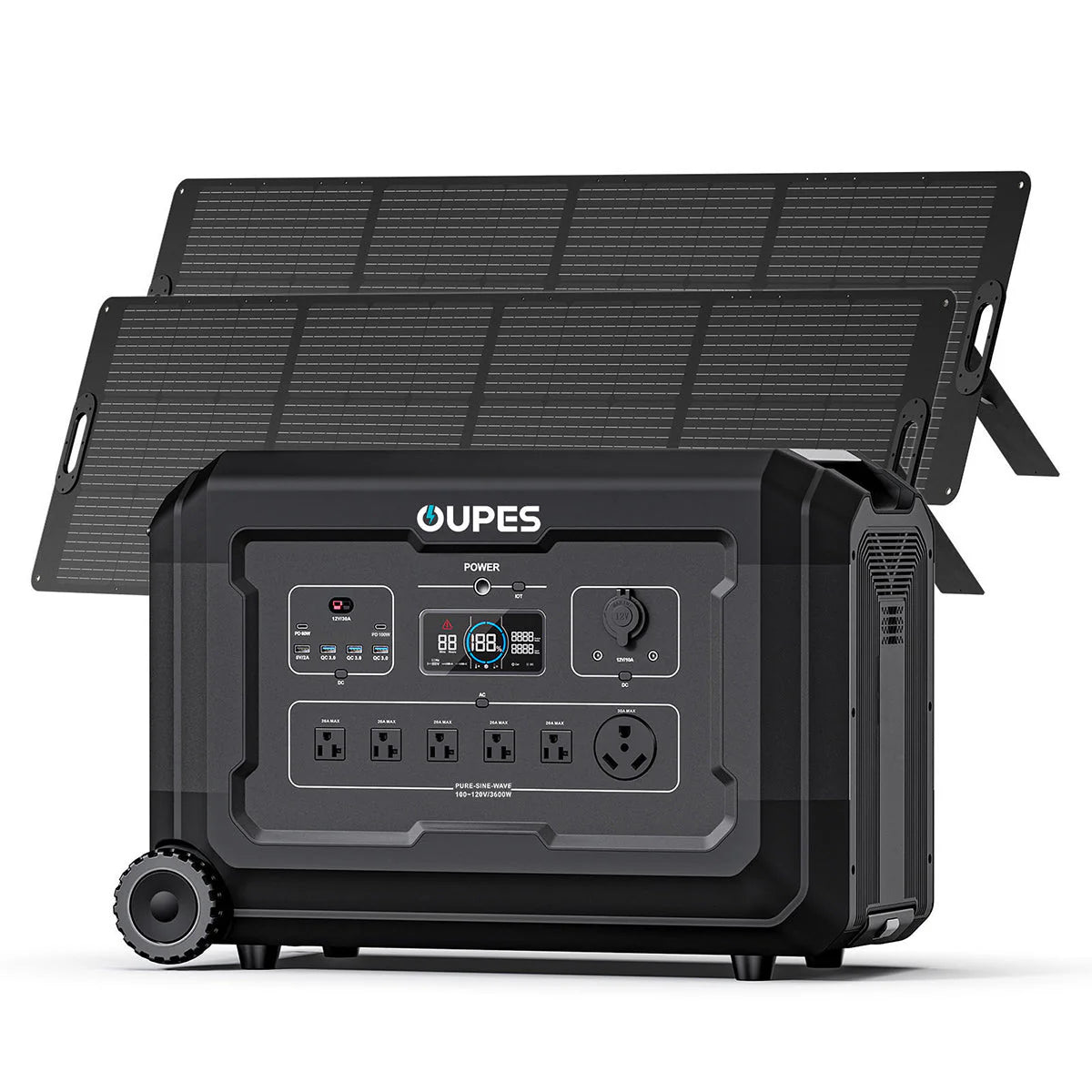
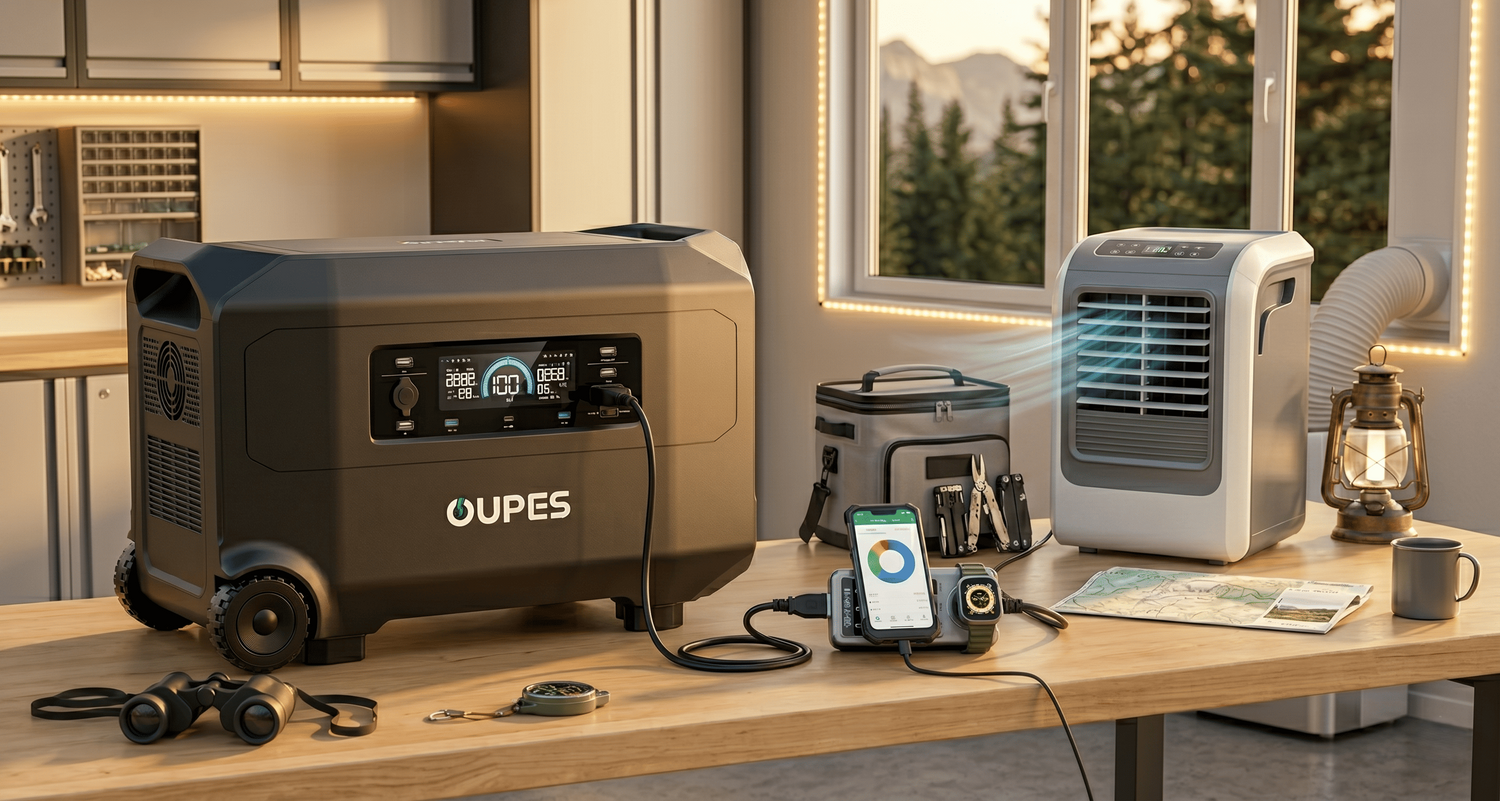
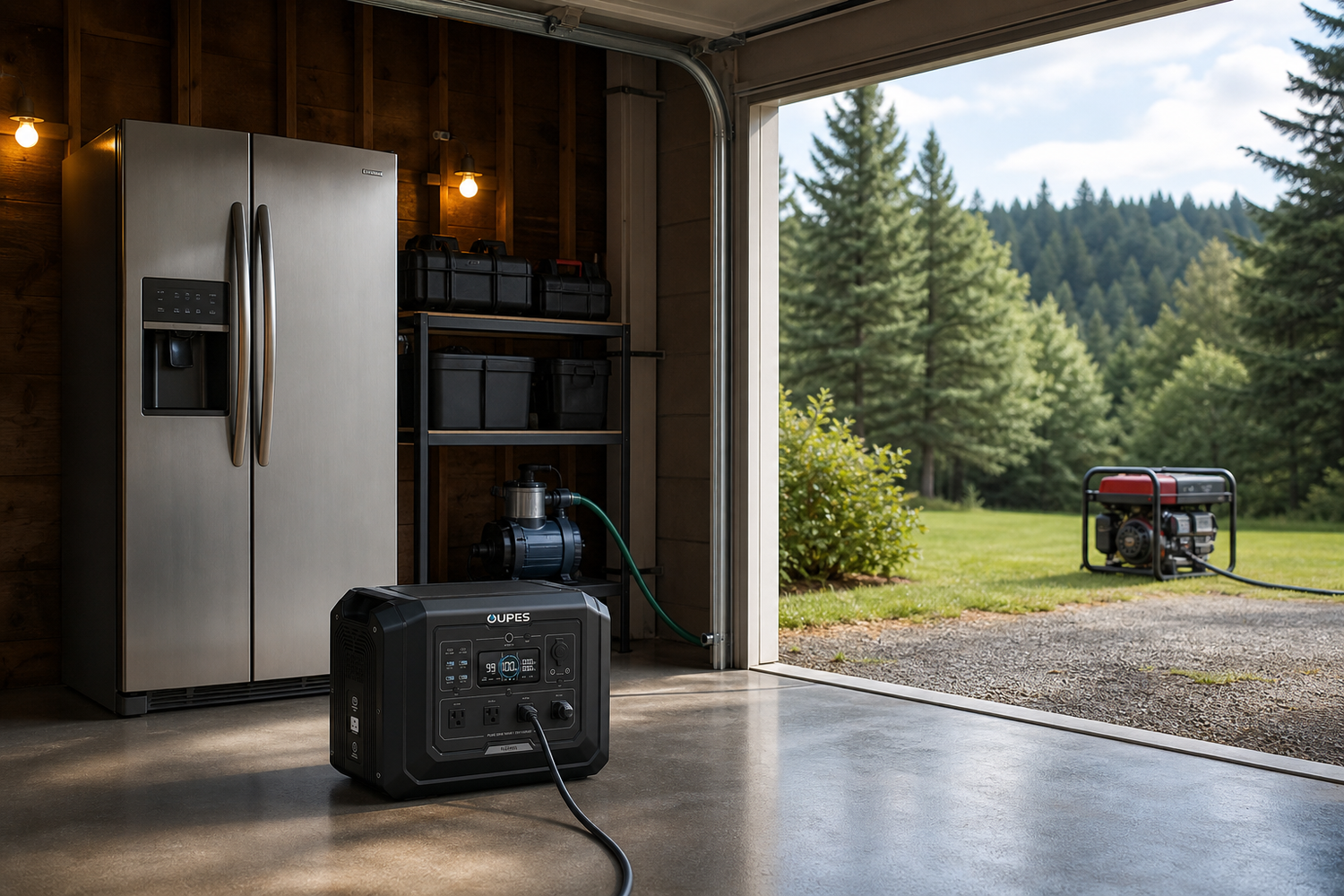
For campers who want more RV-oriented flexibility, the OUPES Mega 3 is listed at 3072Wh and 3600W, while the OUPES Guardian 6000 is listed at 4608Wh and 6000W with dual-voltage capability.[10][11] That does not mean every RV camper needs a large power station. It means your camping style becomes more customizable when your power plan matches your comfort expectations.
So if you are torn between tent camping and RV camping, one useful question is this: Do you want to simplify the trip, or electrify the trip? Tent camping usually benefits more from simplification. RV camping often benefits more from electrification.
References
- National Park Service — Finding and Setting Up a Campsite
- National Park Service — Camping
- Yosemite National Park — Campgrounds and RV/trailer length limits
- Yosemite National Park — Visiting Yosemite With an RV
- U.S. Forest Service — Camping safety and tent setup guidance
- Bureau of Land Management — Camping on Public Lands and dispersed camping rules
- U.S. Forest Service — Campground amenities and reservation guidance
- National Park Service — Ten Essentials
- OUPES Exodus 1500 Official Product Page
- OUPES Mega 3 Official Product Page
- OUPES Guardian 6000 Official Product Page
FAQ
1. Is tent camping better for beginners?
It can be, especially if the goal is to learn basic camping skills with a simple setup. But beginners who are worried about weather, sleeping comfort, or family logistics may find RV camping easier overall.
2. Is RV camping more comfortable than tent camping?
Usually yes. RV camping generally provides better weather protection, more storage, and a more enclosed sleeping environment. But that comfort comes with more vehicle, site, and reservation constraints.[3][4]
3. Which one gives better access to more remote-style sites?
Tent camping usually has the advantage because it needs less space and fewer site-specific accommodations. Dispersed camping rules also tend to work more naturally with smaller, simpler setups.[6]
4. Do all RV campgrounds have hookups?
No. Some developed campgrounds include electrical hookups and other amenities, but many do not. Always check the campground page before booking.[7]
5. Which option is better in bad weather?
RV camping is usually more forgiving in rain, wind, and temperature swings. Tent camping requires more careful site selection, weather planning, and shelter management.[1][5]
6. Should I choose tent camping or RV camping if I need more electricity?
If electrical comfort is a high priority, RV camping is usually the better fit because the trip often revolves more naturally around powered convenience. Tent camping works best when your power expectations stay lighter.
7. Can portable power make tent camping feel closer to RV camping?
To a point, yes. Portable power can improve lighting, charging, cooking convenience, and basic comfort, but it does not change the shelter, storage, or weather-protection differences between the two camping styles.

Leave a comment
This site is protected by hCaptcha and the hCaptcha Privacy Policy and Terms of Service apply.