








Table of Contents
- Introduction
- What Is a Portable Power Station?
- Key Factors to Consider Before Buying
- How to Choose the Right Capacity (Wh)
- Understanding Output Power (W)
- Battery Type: Why It Matters
- Charging Speed and Methods
- Output Ports and Compatibility
- Choosing by Use Scenario
- How to Estimate Runtime (80% Rule)
- OUPES Product Positioning Guide
- Common Mistakes to Avoid
- Final Thoughts
- FAQ
Introduction
Portable power stations have become essential tools for camping, home backup, and emergency preparedness. However, with so many options available, choosing the right one can be confusing.
The key is not to pick the “biggest” or “most powerful” model, but to select the one that matches your actual needs. This guide explains how to choose a portable power station using practical, real-world criteria.
What Is a Portable Power Station?
A portable power station is a rechargeable battery system that stores electricity and delivers it through AC outlets, USB ports, and DC outputs. Unlike traditional generators, it produces no emissions, operates quietly, and requires minimal maintenance.
Modern solutions, including OUPES systems, often support solar charging, fast AC charging, and advanced battery management systems.
Key Factors to Consider Before Buying
- Battery capacity (Wh)
- Output power (W)
- Battery type (LiFePO4 vs lithium-ion)
- Charging speed and methods
- Portability and weight
- Number and type of output ports
Each factor plays a different role depending on your use case.
How to Choose the Right Capacity (Wh)
Capacity determines how long you can power your devices.
| Capacity Range | Best Use |
|---|---|
| 200–1000Wh | Phones, lights, short trips |
| 1000–3000Wh | Camping, laptops, small appliances |
| 3000Wh+ | Home backup, RV, heavy use |
For most users, 1000–2000Wh is the “sweet spot” for balancing portability and power.
Understanding Output Power (W)
Output power determines what devices you can run.
- 300–500W → phones, lights
- 1000–2000W → laptops, small appliances
- 3000W+ → refrigerators, power tools
Always check both rated output and surge power for appliances with startup spikes.
Battery Type: Why It Matters
Battery technology directly affects safety, lifespan, and performance.
| Type | Lifespan | Safety |
|---|---|---|
| LiFePO4 | 3000–3500+ cycles | High |
| Lithium-ion | 500–1000 cycles | Moderate |
OUPES uses LiFePO4 batteries, which offer longer lifespan and better safety, especially for home backup and frequent use.
Charging Speed and Methods
Charging flexibility is critical, especially for outdoor and emergency use.
- AC wall charging
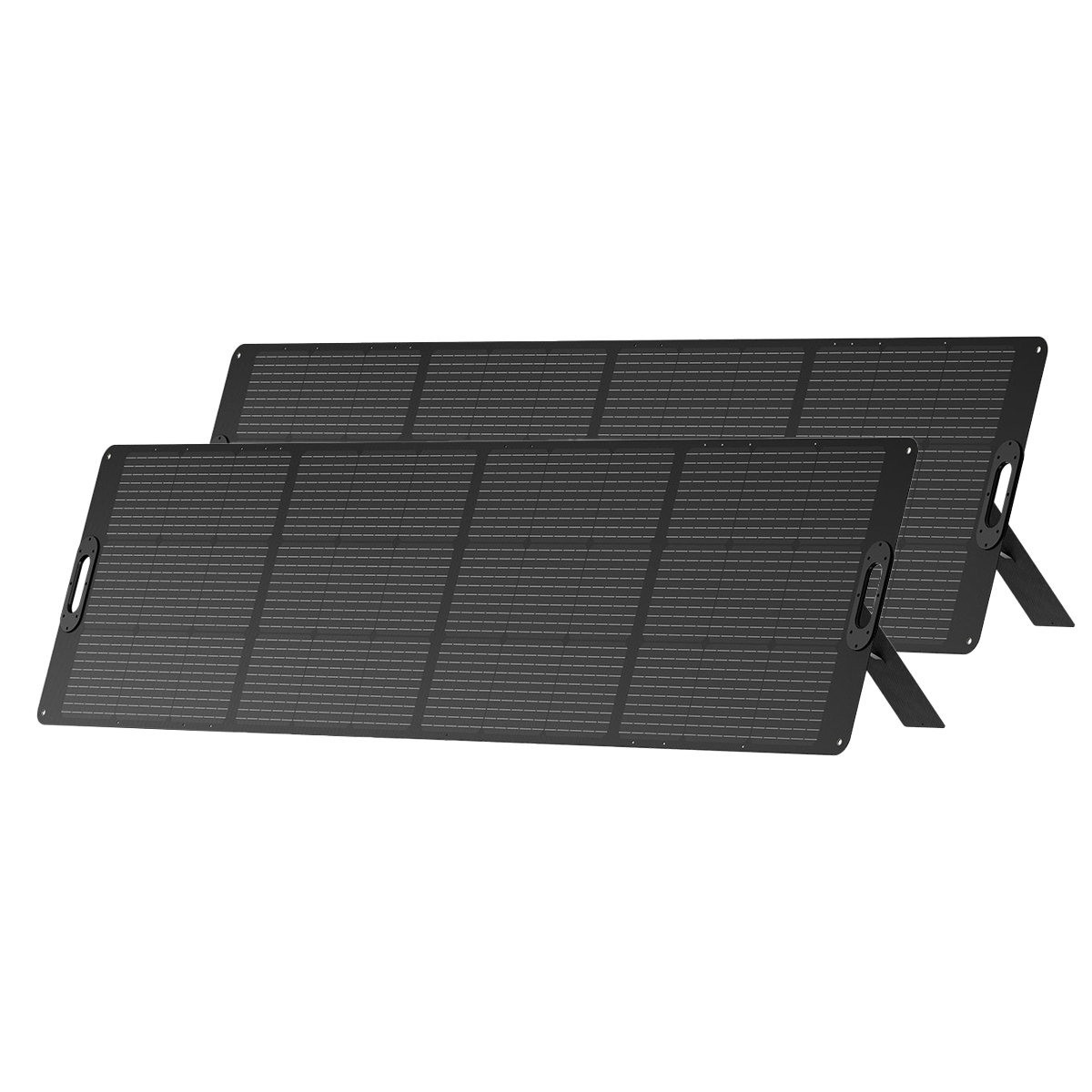
- Solar charging
- Car charging
- AC + solar hybrid charging
Faster charging means less downtime and more reliable performance.
Output Ports and Compatibility
A good power station should support multiple devices simultaneously.
- AC outlets for appliances
- USB-C for laptops and fast charging
- USB-A for smaller devices
- DC ports for specialized equipment
More ports increase flexibility in real-world use.
Choosing by Use Scenario
Camping
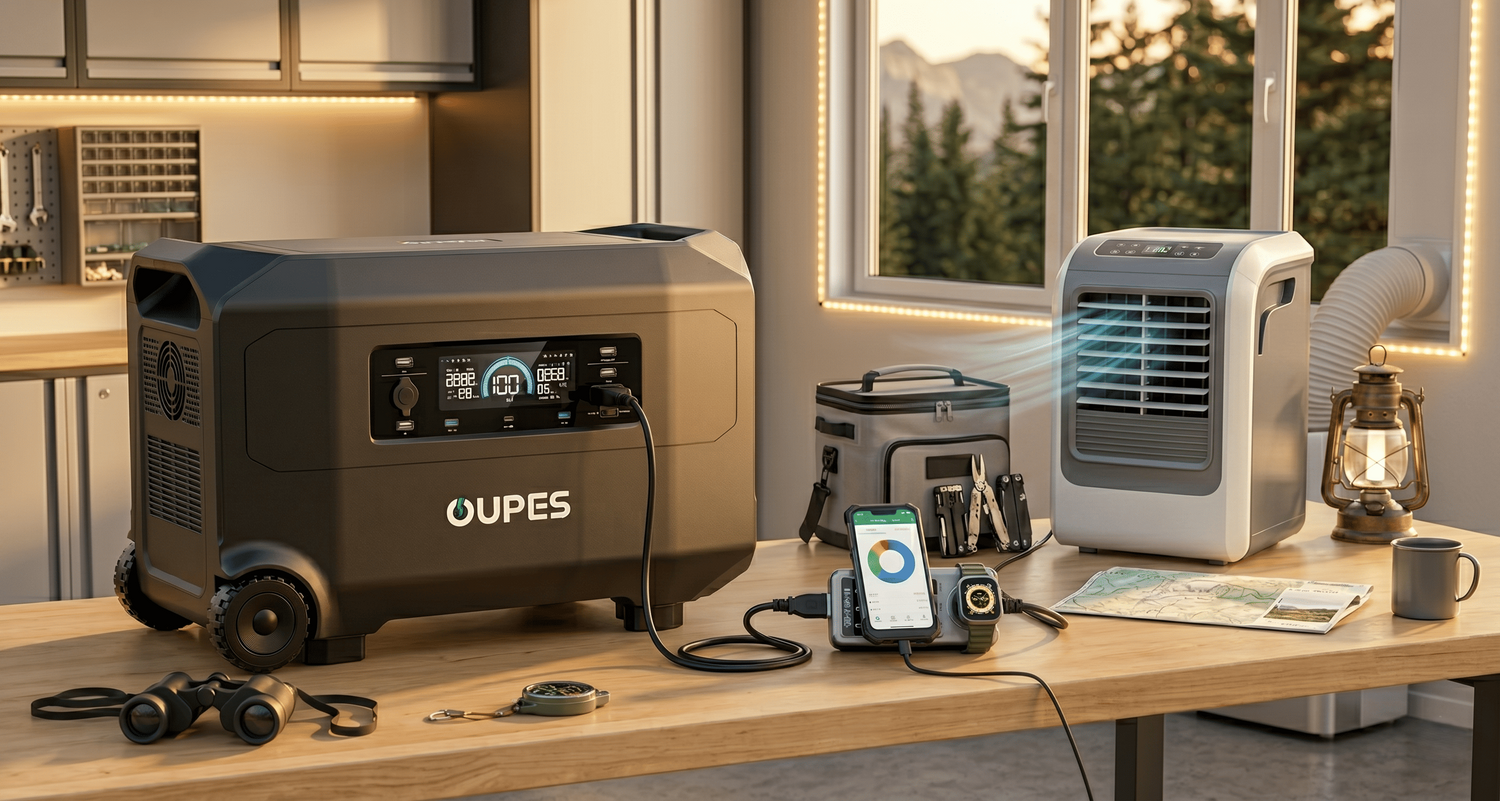
Focus on portability and moderate capacity (1000–2000Wh).
Home Backup
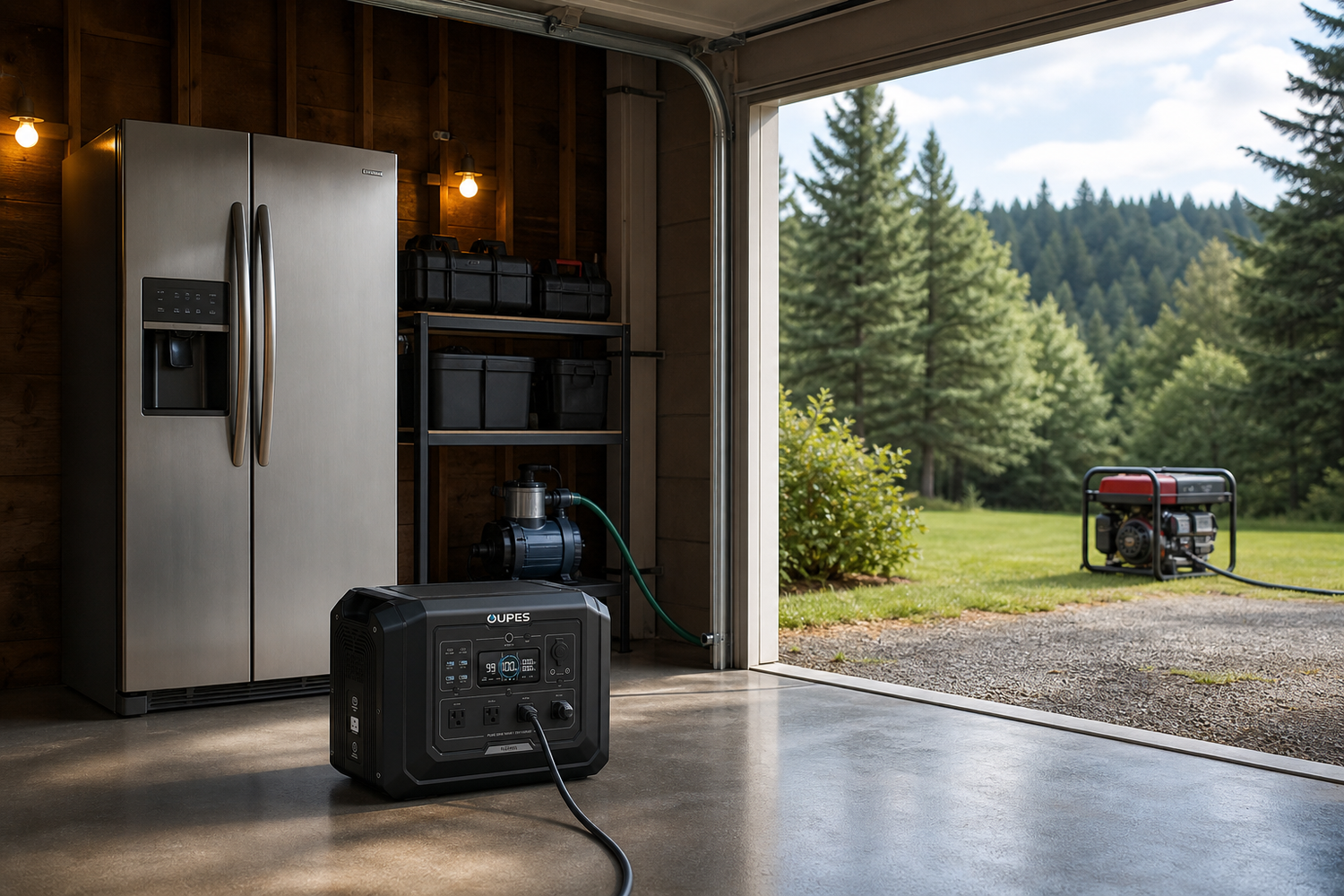
Prioritize high capacity (2000Wh+) and strong output.
RV and Off-Grid
Look for expandability and solar compatibility.
Emergency Preparedness
Choose reliable systems with long battery life and fast charging.
How to Estimate Runtime (80% Rule)
Use this formula for realistic estimates:
Runtime = Capacity × 0.8 ÷ Device Wattage
Example
- 2048Wh → usable ~1638Wh
- Running 100W device → ~16 hours
This helps avoid unrealistic expectations.
OUPES Product Positioning Guide
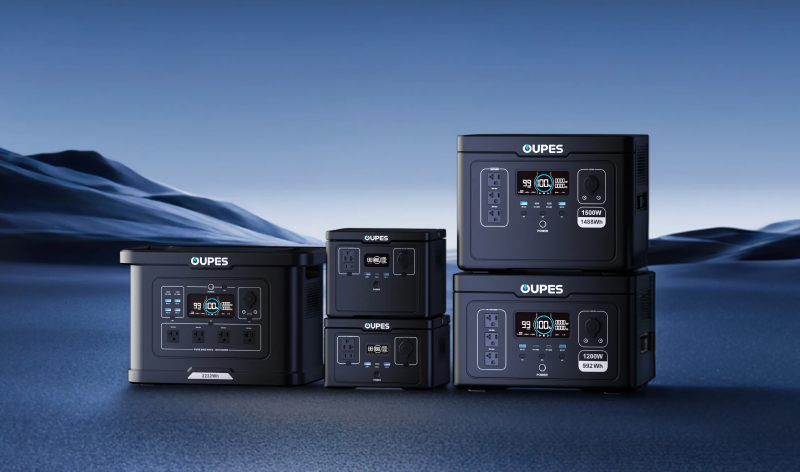
- Mega 1 (1024Wh): Entry-level, lightweight use
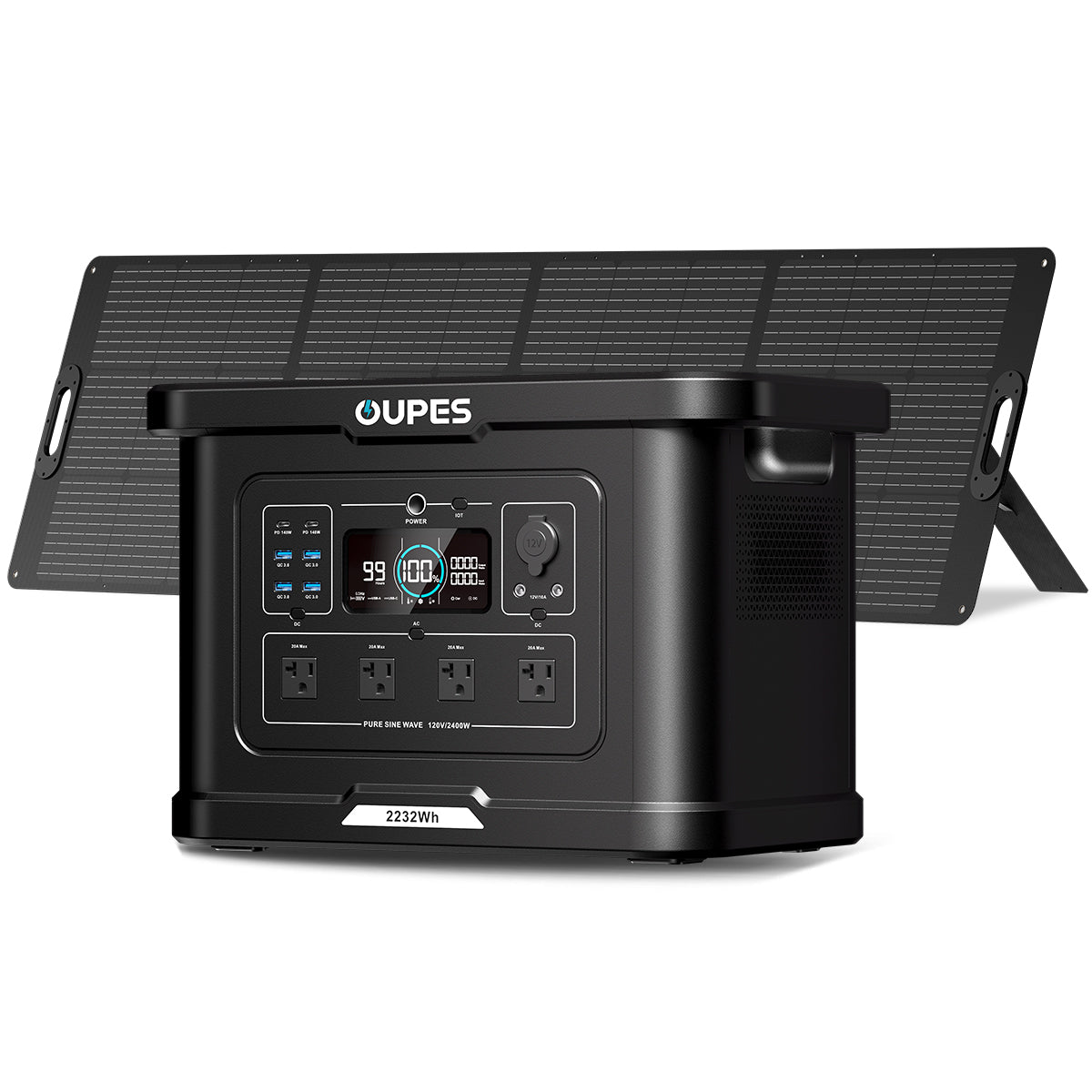
- Mega 2 (2048Wh): Balanced performance for most users
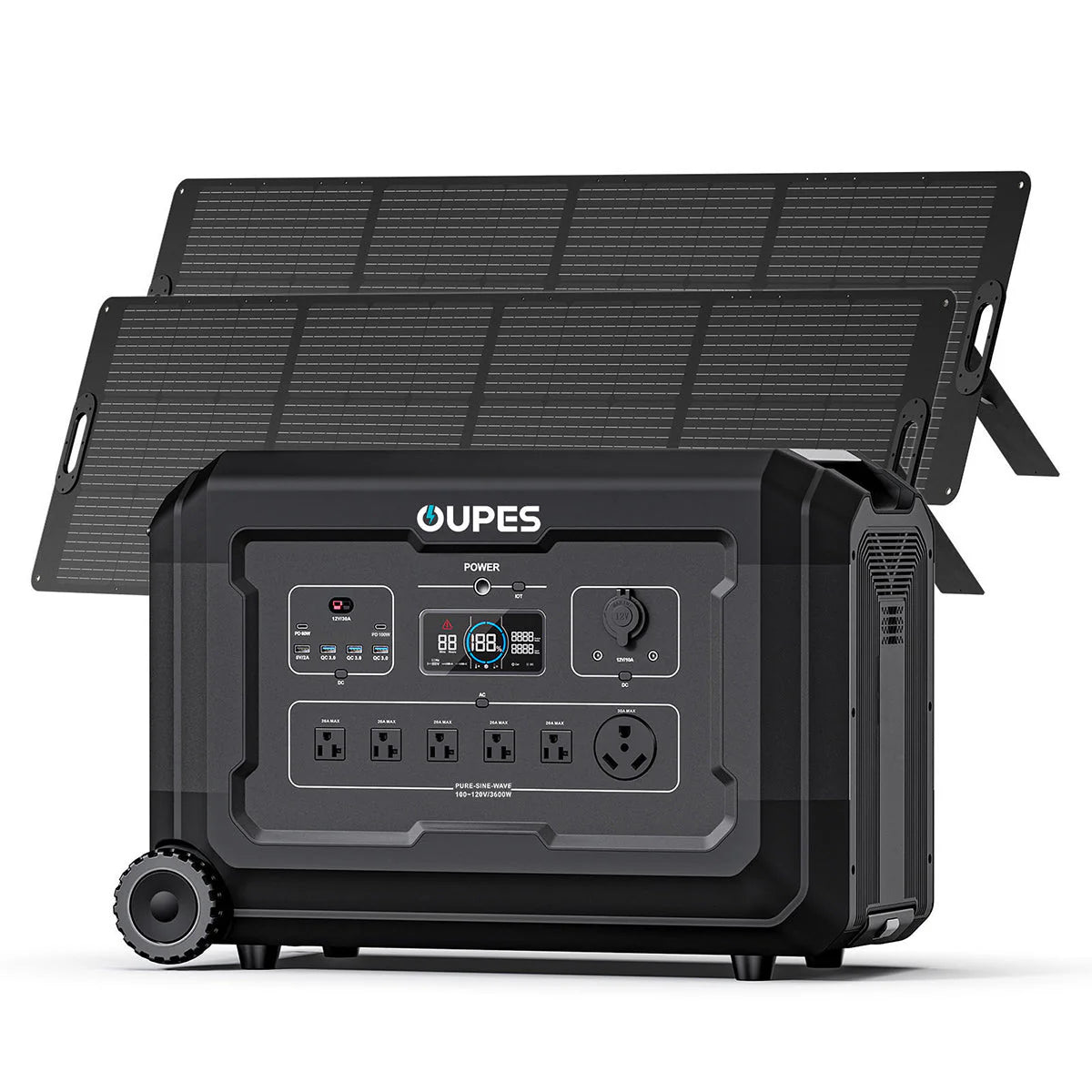
- Mega 3 (3072Wh): High-performance and extended use
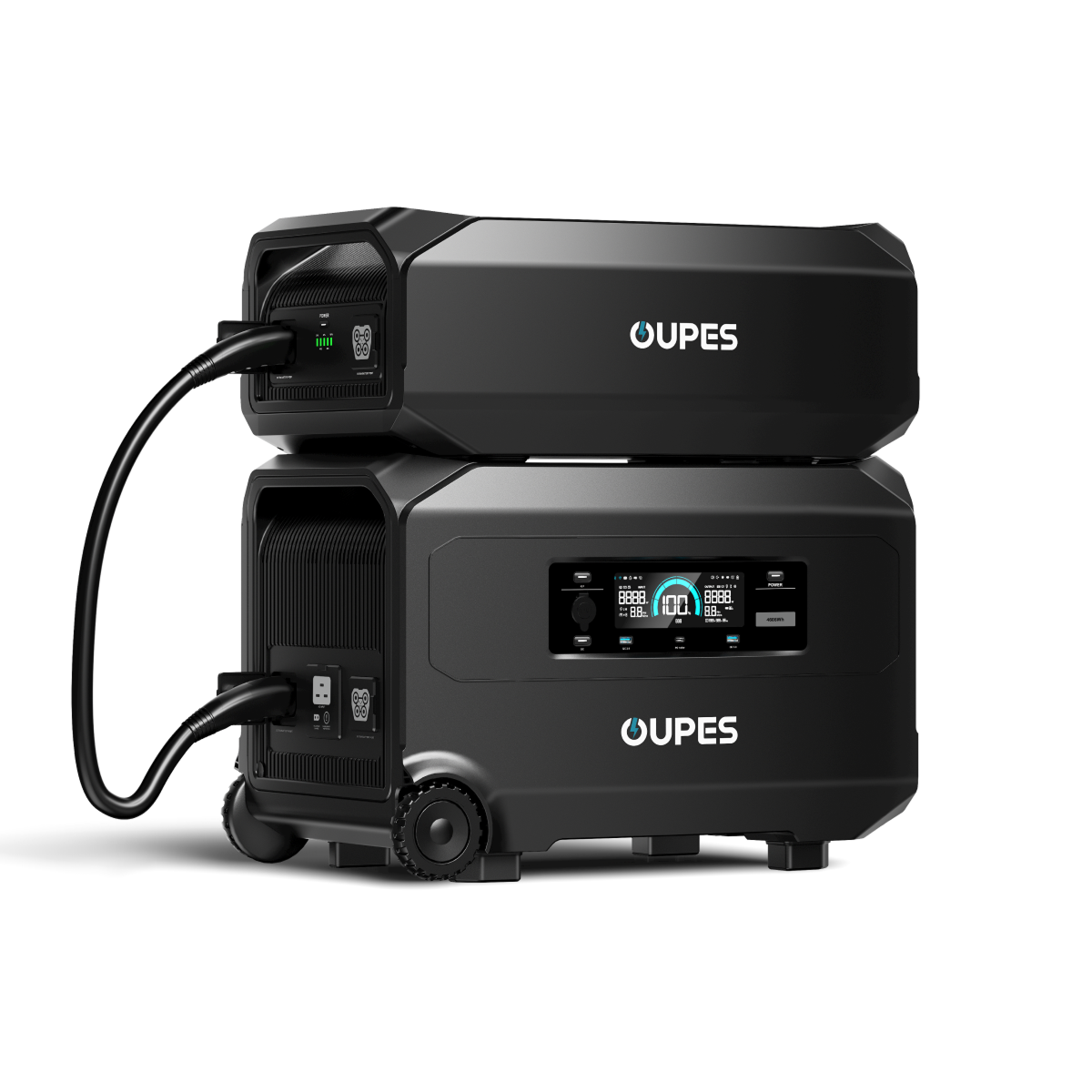
- Mega 5 / Guardian 6000: Home backup and large-scale energy needs
This range allows users to choose based on real-world scenarios rather than overpaying for unnecessary capacity.
Common Mistakes to Avoid
- Choosing based only on price
- Ignoring output power requirements
- Overestimating runtime
- Buying too large (unnecessary weight)
- Not considering solar charging
A balanced approach leads to better long-term satisfaction.
Final Thoughts
Choosing a portable power station is about matching the product to your real needs. Capacity, output, battery type, and charging flexibility all play important roles.
For most users, a mid-range system provides the best balance of performance and portability. Larger systems are better suited for home backup and extended use.
By understanding these factors and using practical calculations, you can confidently choose a portable power station that delivers reliable and efficient performance.
FAQ
1. What size power station do I need?
It depends on your devices, but 1000–2000Wh works for most users.
2. What is the most important factor?
Capacity and output power are the most critical.
3. Is LiFePO4 better?
Yes, for safety and long-term use.
4. Can I use solar panels?
Yes, most modern power stations support solar charging.
5. How long do power stations last?
Typically 5–10 years depending on battery type.
6. Are they safe indoors?
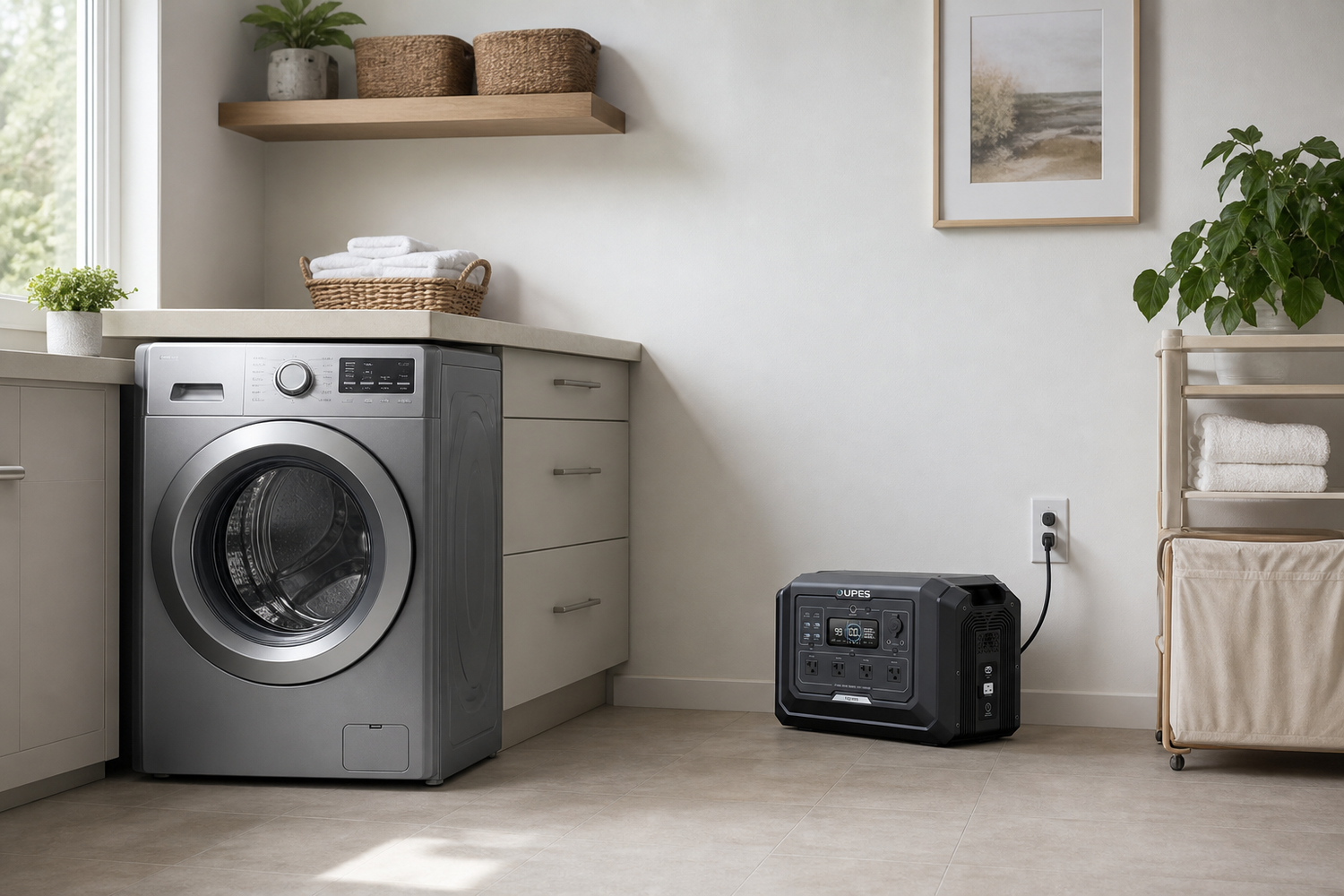
Yes, they produce no emissions.
7. Can they run appliances?
Yes, if output power is sufficient.
8. Is bigger always better?
No, choose based on actual needs.

Leave a comment
This site is protected by hCaptcha and the hCaptcha Privacy Policy and Terms of Service apply.