








Table of Contents
- Introduction
- The Photovoltaic Principle Explained
- Key Components of a Solar Power System
- Step-by-Step: From Sunlight to Usable Electricity
- Types of Solar Panel Systems
- What Affects Solar Power Efficiency?
- Why Energy Storage Matters
- Real-World Applications
- The Future of Solar Energy
- Conclusion
- FAQ
Introduction
Solar energy is one of the most widely adopted renewable energy sources in the world. From residential rooftops to large-scale solar farms, solar panels are transforming how electricity is generated and consumed. But how exactly do solar panels turn sunlight into usable electricity?
This article provides a clear, practical explanation of how electricity is generated using solar panels. We will explore the science behind photovoltaic (PV) technology, the components of a solar system, and the real-world factors that affect performance. Whether you are considering solar energy for your home, outdoor use, or backup power, understanding the process helps you make better decisions.
The Photovoltaic Principle Explained
At the core of solar electricity generation is the photovoltaic effect. This is the process by which certain materials convert sunlight directly into electricity.
Solar panels are made up of many photovoltaic cells, typically composed of silicon. When sunlight hits these cells, it transfers energy to electrons within the material. This energy “excites” the electrons, allowing them to move freely. The movement of these electrons generates an electric current.
This current is known as direct current (DC), which flows in one direction. However, most homes and appliances use alternating current (AC), so additional components are required to convert and manage this energy.
Key Components of a Solar Power System
A complete solar power system includes more than just panels. Each component plays a critical role in generating and delivering electricity.
1. Solar Panels
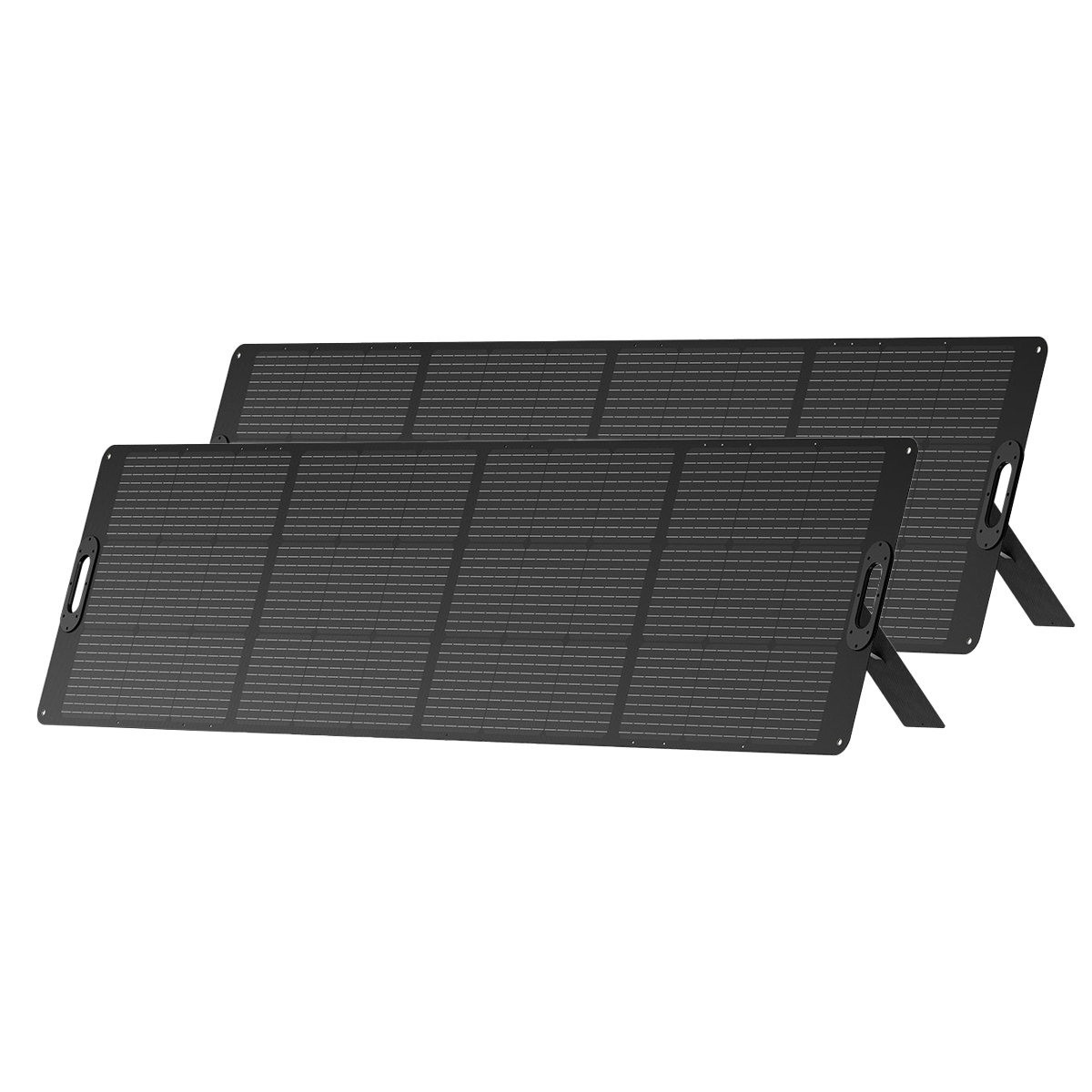
These capture sunlight and convert it into DC electricity through photovoltaic cells.
2. Inverter
The inverter converts DC electricity into AC electricity, which is usable for household appliances.
3. Battery Storage (Optional but Important)
Batteries store excess energy generated during the day so it can be used at night or during power outages.
4. Charge Controller
This regulates the voltage and current going into the battery, preventing overcharging or damage.
5. Electrical Distribution System
This delivers electricity to devices and circuits within your home or setup.
Step-by-Step: From Sunlight to Usable Electricity
To understand how solar panels generate electricity in real-world use, it helps to break the process down step by step:
- Sunlight hits the solar panel → Photons transfer energy to electrons
- Electrons begin to move → DC electricity is generated
- Electric current flows through wiring → Energy is directed to the inverter
- Inverter converts DC to AC → Electricity becomes usable
- Electricity powers devices or charges batteries
This entire process happens almost instantly whenever sunlight is available.
Types of Solar Panel Systems
1. Grid-Tied Systems
These systems are connected to the electrical grid. Excess energy can be sent back to the grid, and electricity can be drawn when solar production is low.
2. Off-Grid Systems
These operate independently from the grid and rely on battery storage to supply power at all times.
3. Hybrid Systems
Hybrid systems combine grid connection with battery storage, offering flexibility and backup power during outages.
For many users today, hybrid systems are becoming the preferred choice due to their balance between reliability and efficiency.
What Affects Solar Power Efficiency?
While solar panels are rated under ideal conditions, real-world performance varies. Several factors influence how much electricity is actually generated:
- Sunlight intensity: More direct sunlight increases output
- Panel orientation: South-facing panels (in the northern hemisphere) perform best
- Shading: Even partial shade can significantly reduce output
- Temperature: Higher temperatures can slightly reduce efficiency
- Dust and debris: Dirty panels generate less electricity
In most real-world scenarios, solar panels operate at around 70%–85% of their rated capacity.
Why Energy Storage Matters
Solar panels only generate electricity when sunlight is available. This creates a mismatch between energy production and energy usage, especially at night or during cloudy weather.
Energy storage solves this problem by capturing excess electricity during the day and making it available later. This is particularly important for:
- Nighttime electricity use
- Emergency backup during outages
- Off-grid living
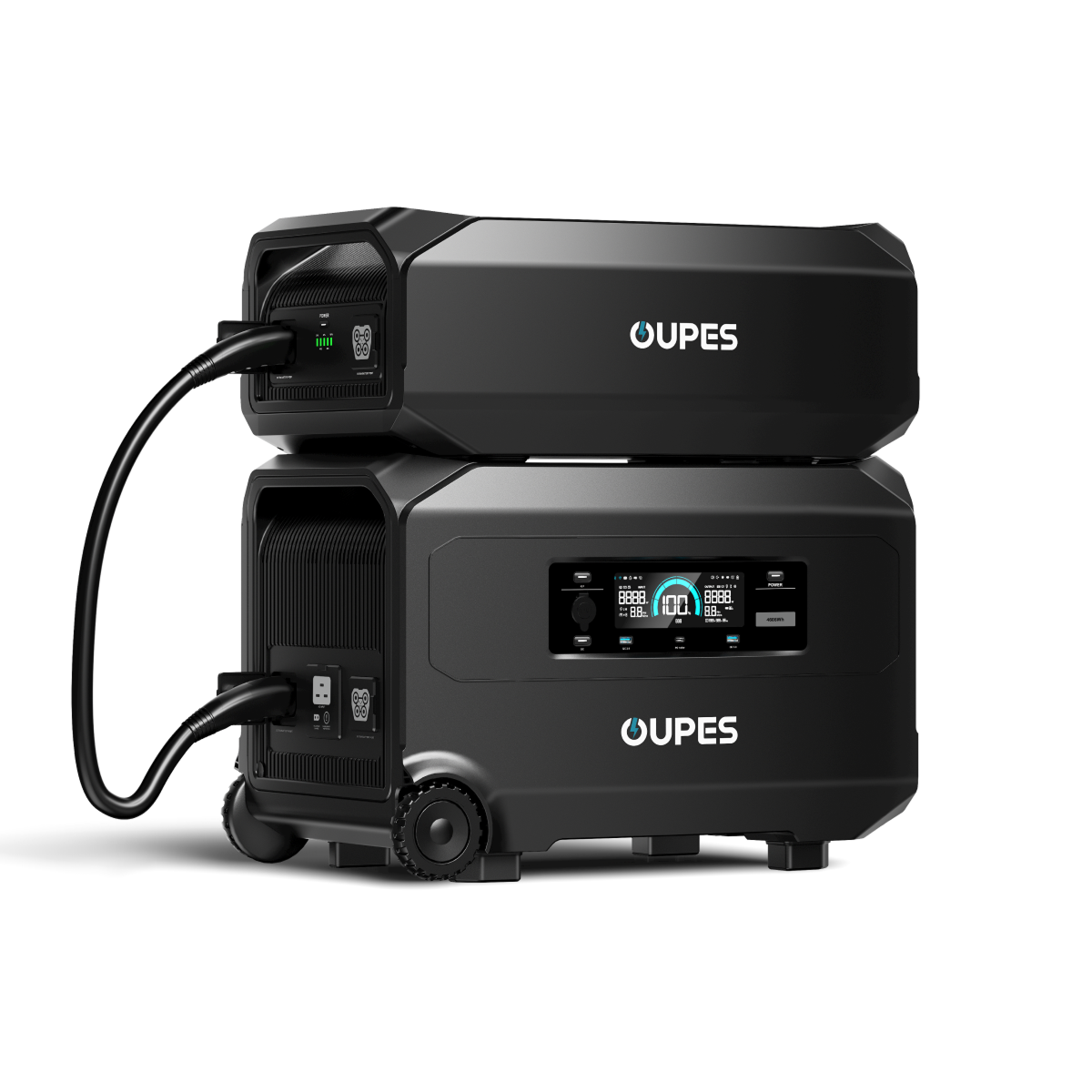
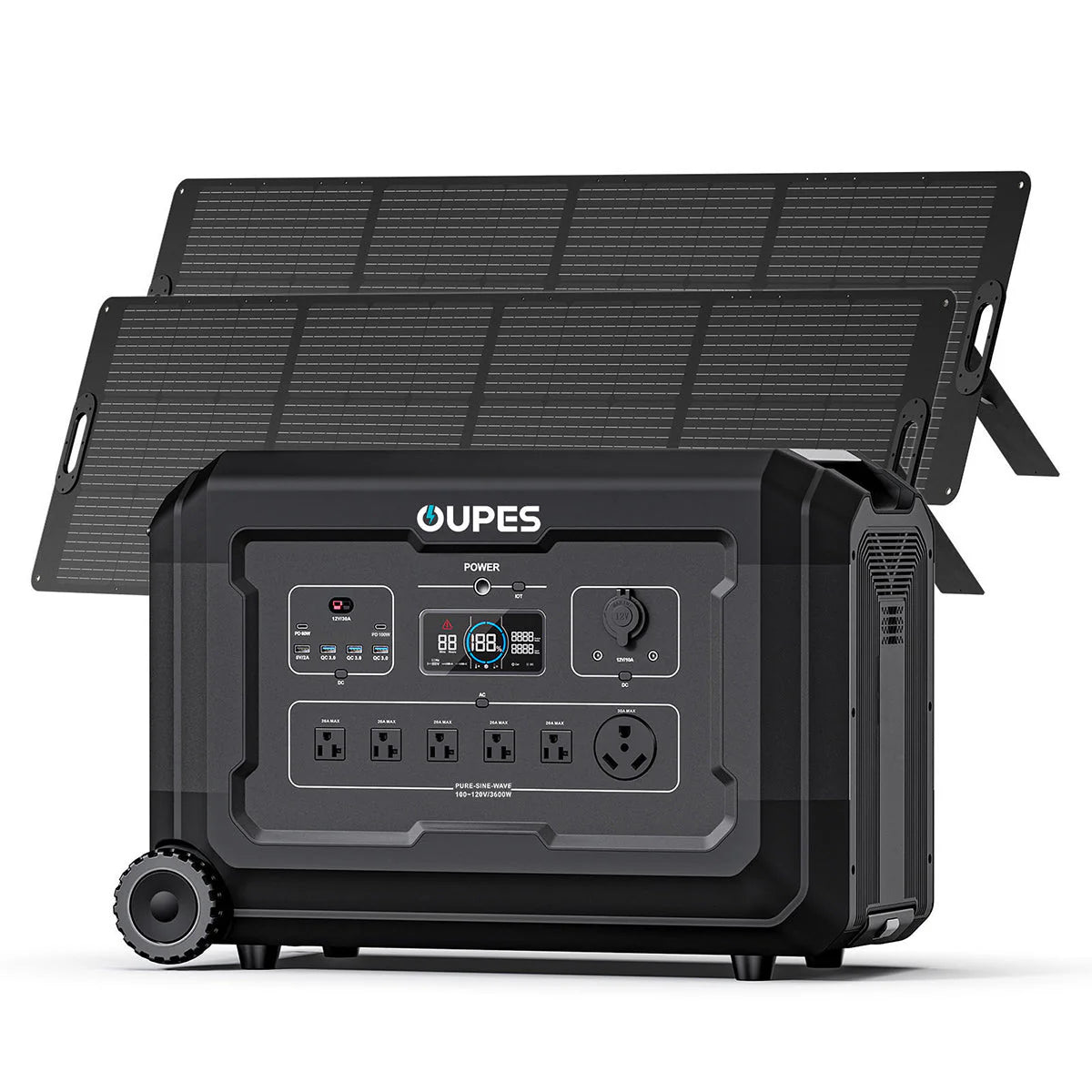
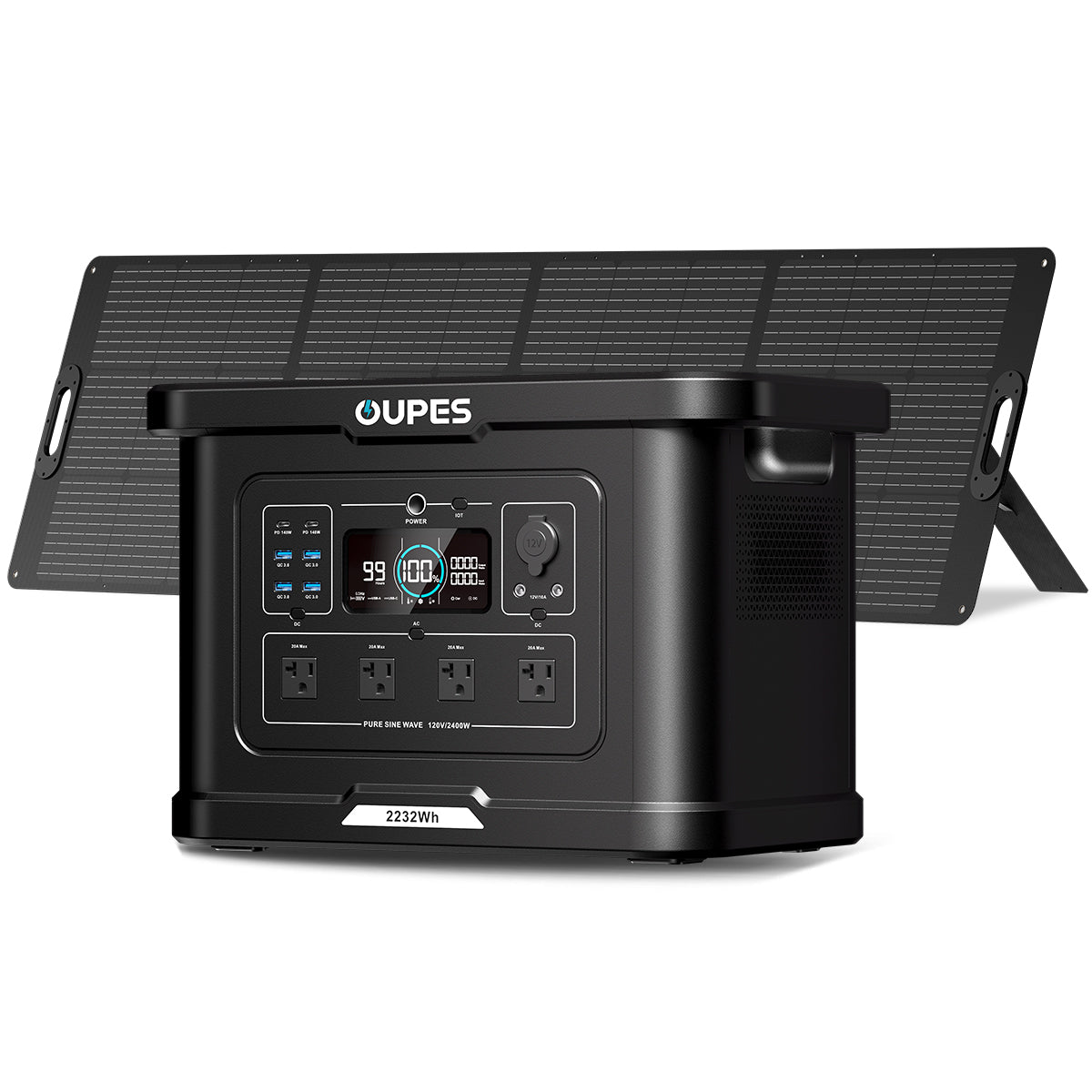
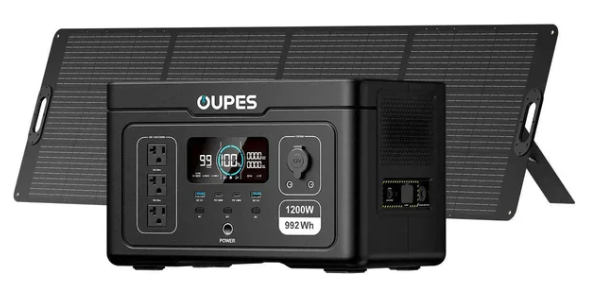
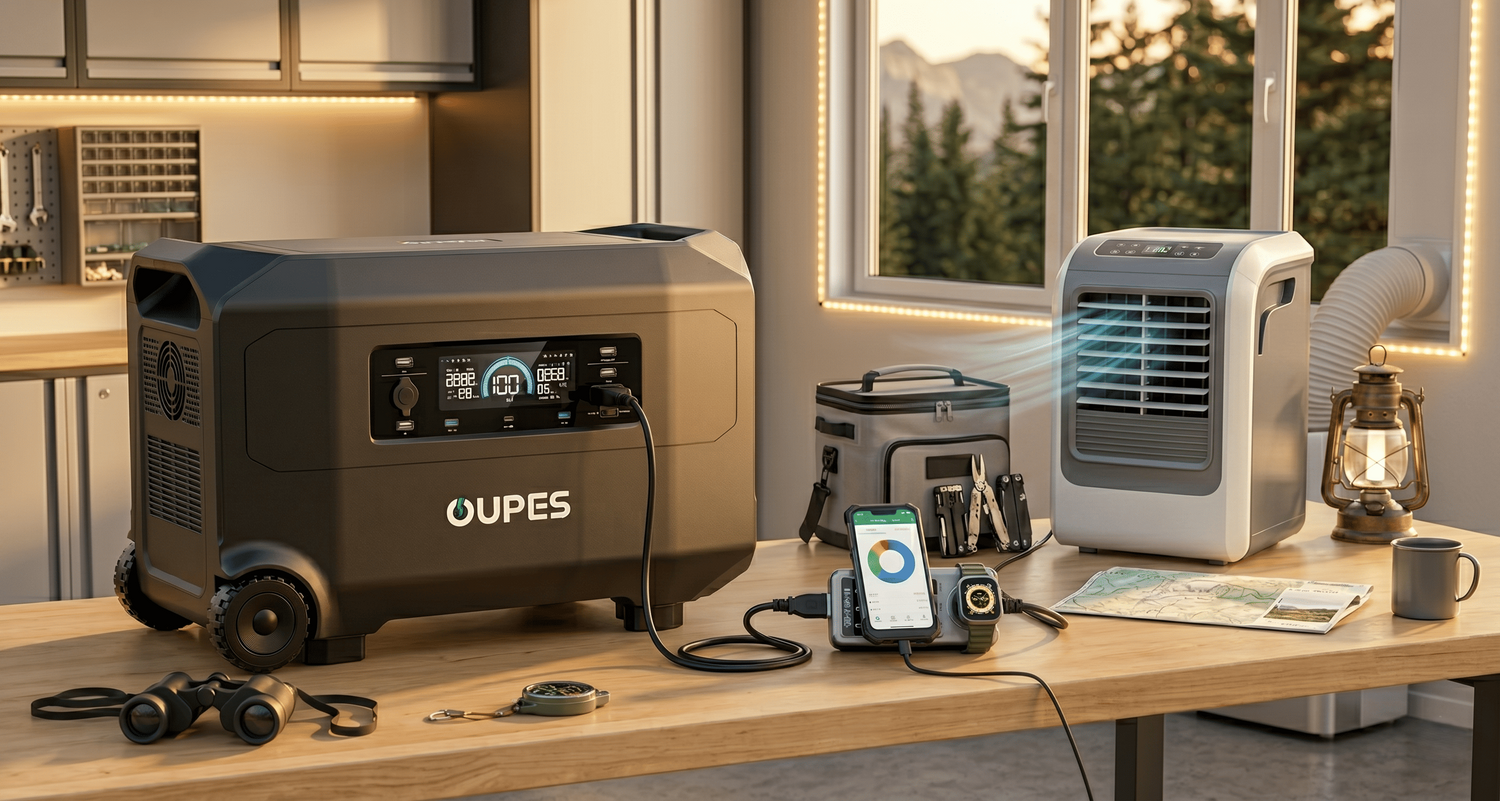
Modern portable power solutions, such as those offered by OUPES, combine solar input with battery storage to provide flexible, on-demand energy in a wide range of scenarios.
Real-World Applications
Solar electricity is no longer limited to large installations. It is widely used in everyday situations:
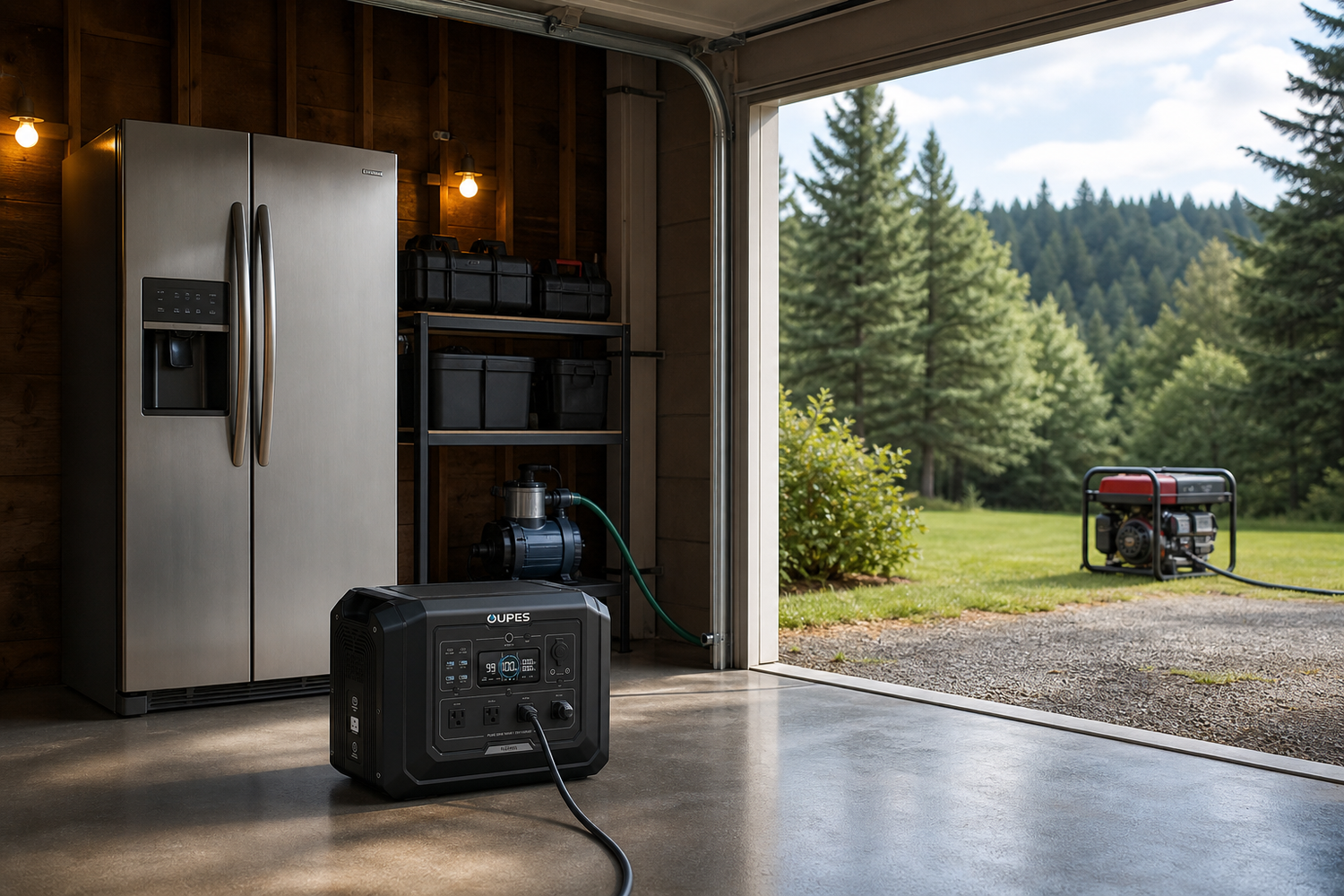
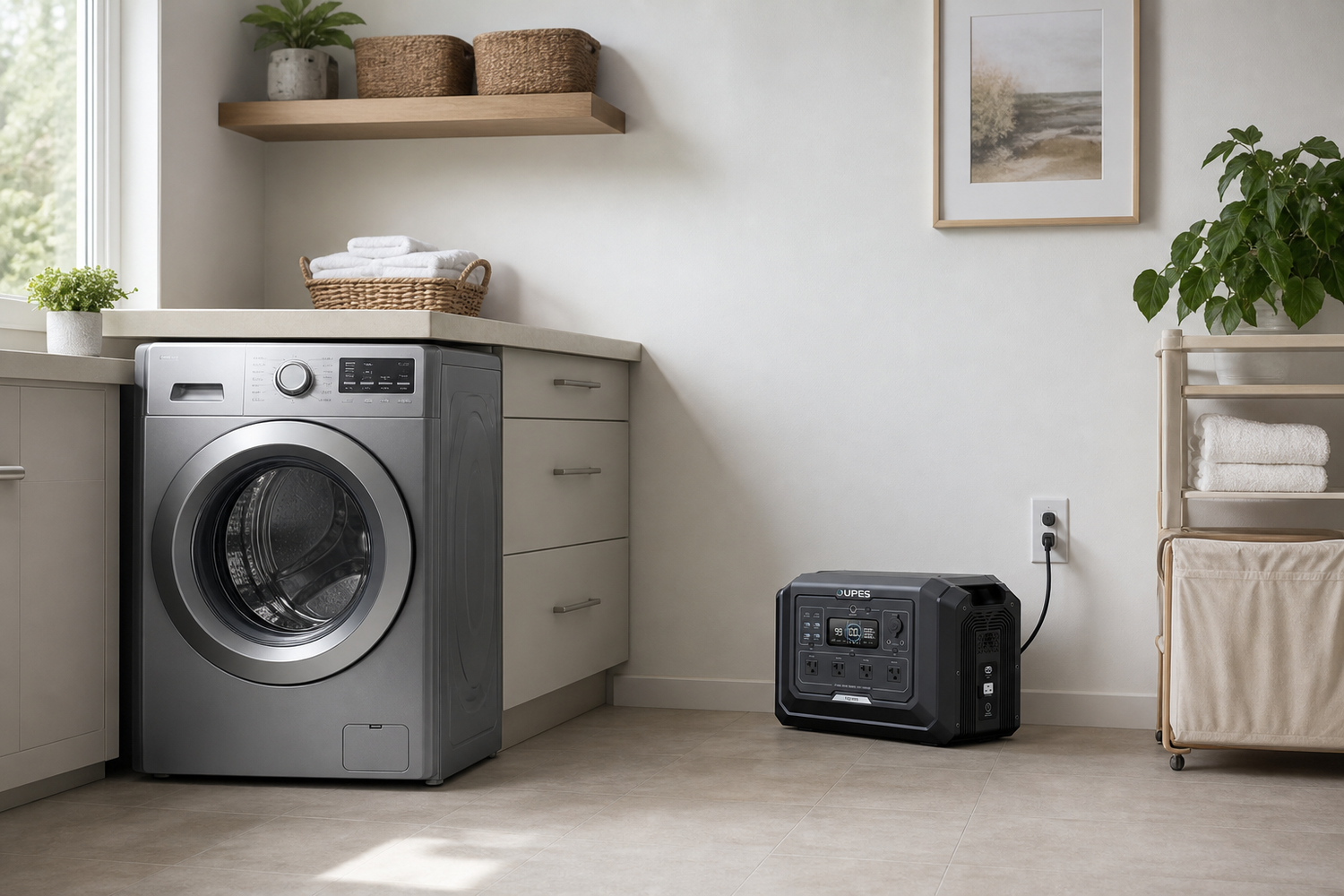
- Home backup power: Maintaining essential devices during outages
- Outdoor activities: Camping, RV trips, and off-grid adventures
- Emergency preparedness: Reliable power during severe weather events
- Remote work: Powering devices in areas without grid access
The flexibility of solar systems makes them suitable for both temporary and long-term use.
The Future of Solar Energy
Solar technology continues to evolve, with improvements in efficiency, battery storage, and system integration. Innovations such as higher-efficiency cells, smart energy management systems, and scalable battery solutions are making solar energy more practical and accessible.
As energy demands grow and sustainability becomes more important, solar power is expected to play an increasingly central role in global electricity generation.
Conclusion
Electricity generated using solar panels is the result of a well-established and highly efficient process based on the photovoltaic effect. By converting sunlight into electrical energy, solar systems provide a clean, renewable, and increasingly accessible power source.
Understanding how this process works—from photon interaction to usable AC electricity—helps you make informed decisions about adopting solar technology. Whether for home use, outdoor applications, or emergency backup, solar energy offers a practical and scalable solution for modern power needs.
FAQ
1. How do solar panels generate electricity?
They use photovoltaic cells to convert sunlight into direct current electricity through the movement of electrons.
2. Do solar panels work on cloudy days?
Yes, but their output is reduced compared to sunny conditions.
3. What type of electricity do solar panels produce?
They produce direct current (DC), which is converted to alternating current (AC) by an inverter.
4. Can solar panels work at night?
No, they require sunlight. Energy storage systems are needed for nighttime use.
5. How efficient are solar panels?
Most panels operate at 70%–85% of their rated capacity in real-world conditions.
6. What is the role of a solar inverter?
It converts DC electricity into AC electricity for use in homes and devices.
7. Do I need a battery with solar panels?
Not always, but batteries are highly recommended for backup power and off-grid use.
8. How long do solar panels last?
Typically 20–25 years, with gradual efficiency decline over time.

Leave a comment
This site is protected by hCaptcha and the hCaptcha Privacy Policy and Terms of Service apply.