








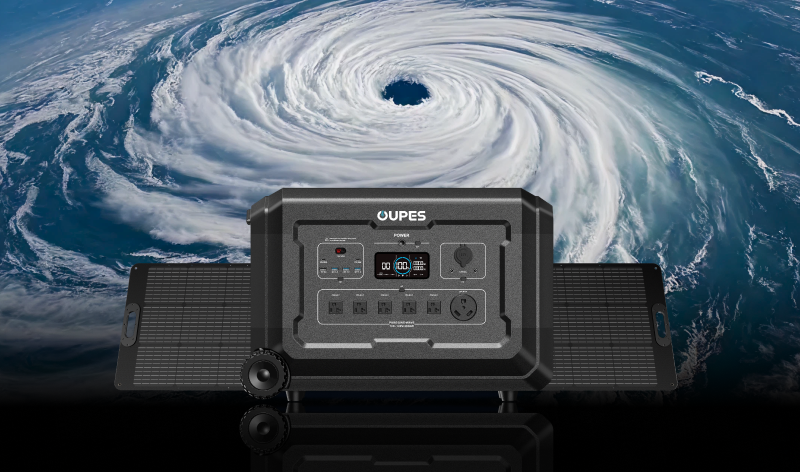
Preparing for a tornado is really about preparing for a fast-moving emergency that can damage buildings, cut power, block roads, and leave very little time to think clearly. In Canada, tornadoes have been recorded in every province and territory, but they are most common in southern Alberta, Saskatchewan, Manitoba, Ontario, Quebec, and western New Brunswick.[1] That means tornado readiness is not just a Prairie issue. It is a practical household skill for a wide range of Canadian communities.
The good news is that tornado preparedness does not need to be complicated. The most effective plan is usually built around a few simple ideas: understand alerts, know your safest shelter spot, prepare an emergency kit, protect your head and neck if a tornado is imminent, and stay careful after the storm because hazards such as debris, unstable structures, and downed power lines can remain long after the funnel is gone.[1][2][3]
Table of Contents
- Why tornadoes matter in Canada
- How to understand alerts and warning systems
- What to do before a tornado
- Where to shelter safely
- What to do during a tornado
- What if you are driving, outdoors, or in a mobile home?
- What to do after a tornado
- Why backup power matters after a tornado
- OUPES Canada options for practical emergency backup
- Bottom line
- References
- FAQ
Why tornadoes matter in Canada
A tornado is dangerous not only because of its wind speed, but because it can arrive with very little room for hesitation. Public Safety Canada warns that the safest thing you can do during a tornado is to get into a well-supported basement area as quickly as possible, get as close to the ground as possible, and protect your head because many injuries and deaths are caused by flying debris and collapsing structures.[1]
Tornadoes are also often associated with severe thunderstorms. Public Safety Canada specifically advises Canadians to stay informed about thunderstorm alerts because they are often linked to tornado risk, and to watch for warning signs such as severe thunderstorms with frequent thunder and lightning, an extremely dark sky, rumbling or whistling sounds, or a funnel cloud near the base of a thundercloud, sometimes behind heavy rain or hail.[1]
| Why Tornadoes Are Dangerous | What It Means for Households |
|---|---|
| Flying debris | Broken glass, roofing, branches, and loose objects can cause serious injury |
| Structural damage | Homes, garages, sheds, and outbuildings can be badly damaged or collapse |
| Power outages | Storm damage can interrupt lighting, charging, refrigeration, and communications |
| Fast-changing conditions | You may have only minutes to move to shelter once the risk is immediate |
| Secondary hazards | Downed lines, gas leaks, unstable trees, and debris remain dangerous after the storm |
How to understand alerts and warning systems
In Canada, Environment and Climate Change Canada issues weather alerts to warn people about noteworthy weather and how it can affect them. The system now uses colour-coded weather alerts, and the three main alert types remain warnings, advisories, and watches. Environment Canada says these depend on severity, timing, and how quickly you should act.[2]
That is important for tornado preparation because many people still wait too long. A watch should push you into readiness mode. A warning means conditions are serious enough that you should be prepared to act immediately. Public Safety Canada also recommends checking whether your phone is compatible with Alert Ready, Canada’s emergency alerting system, and staying connected through services such as WeatherCAN, public weather alerts, and local radio or television.[1][4]
| Tool | Why It Helps |
|---|---|
| Environment Canada alerts | Provide official hazard information and action timing |
| Colour-coded banners | Help you judge likely impact and urgency more quickly |
| Alert Ready | Delivers life-saving alerts to compatible wireless devices, TV and radio |
| WeatherCAN and local media | Help track changing local conditions before and after the storm |
What to do before a tornado
The most important preparation happens before the storm becomes urgent. Public Safety Canada says you should prepare an emergency kit, make a household emergency plan, think about the needs of older adults, children, pets, and anyone with specific health needs, and learn how tornado alerts are communicated.[1] The broader Get Prepared guidance adds that an organized emergency kit should be portable, easy to find, and known to everyone in the household.[5]
A strong tornado-prep routine should include:
- choosing your safest shelter location in advance
- keeping shoes, a flashlight, and a phone charger or power source easy to grab
- building a household communication plan
- knowing how you will receive alerts at night as well as during the day
- planning for children, pets, medications, and mobility needs
It also helps to prepare mentally for speed. Tornado safety works best when the household already knows what to do. If you need to debate where to go after the warning arrives, you are already behind.
Where to shelter safely
Public Safety Canada is very clear about shelter priorities. The safest place indoors is the lowest and most central room, preferably a basement or cellar. You should get under a sturdy piece of furniture and use your arms to protect your head and neck. The same guidance says not to open windows and not to use elevators.[1]
This matters because tornado myths still circulate. Opening windows does not “balance pressure” in any useful way. What it does do is waste valuable seconds and bring you closer to flying glass. A better strategy is simple: get low, get central, get protected.
| Indoor Location | Safety Value |
|---|---|
| Basement or cellar | Best option in most homes because it is low and protected |
| Small interior ground-floor room | Good fallback if there is no basement |
| Room with many windows | Poor choice because of shattered glass and debris exposure |
| Garage, shed, or outbuilding | Unsafe because lighter structures are more vulnerable |
| Elevator | Do not use during a tornado warning |
What to do during a tornado
Once a tornado is imminent or a warning has been issued, the goal is to move quickly, not perfectly. Public Safety Canada says the safest action is to get as close to the ground as possible, protect your head, and watch out for flying debris.[1] Do not chase tornadoes, and do not assume you can judge their path from visual distance alone. The same guidance warns that tornadoes can change course abruptly and may appear to be standing still when they are actually moving toward you.[1]
Inside the shelter area, focus on head and neck protection. If possible, wear shoes in case you later need to move through broken glass and debris. Keep a flashlight and your phone with you if it is safe to do so. But do not delay sheltering just to gather extra belongings.
What if you are driving, outdoors, or in a mobile home?
These are the situations where people are most vulnerable. Public Safety Canada says that if you are outdoors, you should go inside right away. If no building is available, lie flat in a ditch or sunken ground and cover your head with your hands. Do not go under an overpass or bridge.[1]
If you are in a mobile home, leave it and go to the nearest sturdy building or shelter immediately. Mobile homes do not offer much protection from tornadoes.[1]
If you are driving, Public Safety Canada says not to try to outrun a tornado. Drive to the nearest solid structure and take shelter if you can. If no solid shelter is available, pull off the road, set the handbrake, turn on your hazard lights, and, if it is safe to leave the vehicle, seek low ground away from the vehicle and protect your head and neck. Do not park or shelter under an overpass, and do not try to exit a vehicle if downed power lines are close by or across the vehicle.[1] Separate federal summer-severe-weather guidance also says that in a tornado you should move at a right angle to the storm’s path if abandoning a vehicle and use a low-lying area such as a ditch if necessary.[3]
What to do after a tornado
After the tornado passes, the danger is not automatically over. Public Safety Canada says the threat of other tornadoes may remain, so you should continue to receive weather alerts until you are sure the risk has passed.[1] It also advises remaining under cover or in a covered position for at least 60 seconds after the tornado has passed, following local emergency officials’ instructions, and only making voice calls if there is immediate danger. Otherwise, use texting or data-based messaging to reduce network strain.[1]
Once it is safe to move, check the home carefully. Public Safety Canada advises wearing sturdy shoes and protective clothing, staying at least 10 metres away from downed power lines, checking for structural damage, not re-entering if the home seems unsafe, and not using matches or electrical switches until you are sure there are no gas leaks or flammable spills.[1]
This is also the stage where practical resilience matters. If the power is out, if water service is affected, or if road access is poor, the household will depend heavily on the preparation choices made earlier.
Why backup power matters after a tornado
Tornado preparation is mostly about life safety, but continuity matters too. After a storm, many households immediately need light, phone charging, weather updates, router access, and support for essential small appliances. The Government of Canada’s preparedness guidance stresses the value of an emergency kit and accessible equipment because emergencies can happen quickly and without warning.[5]
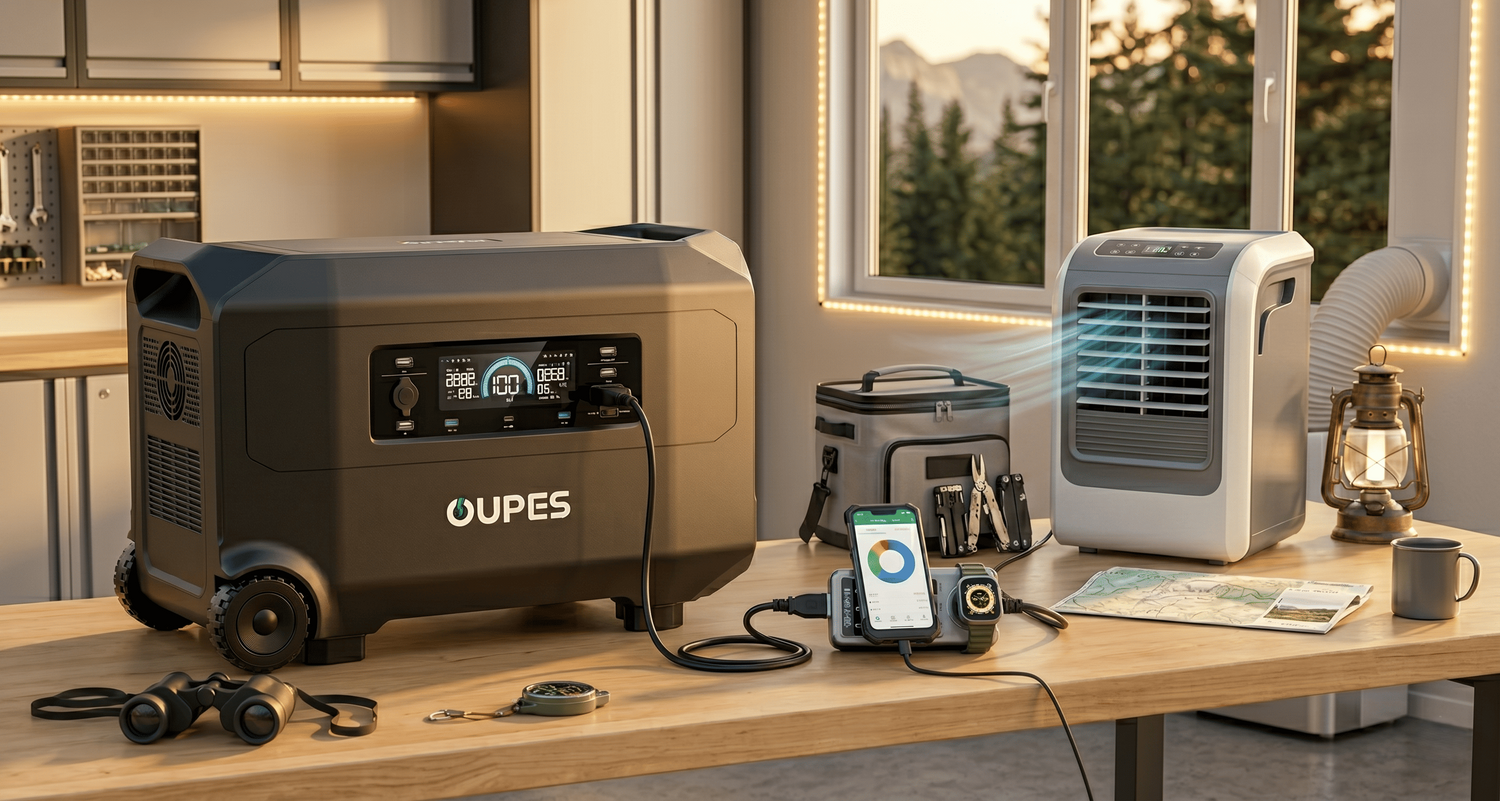
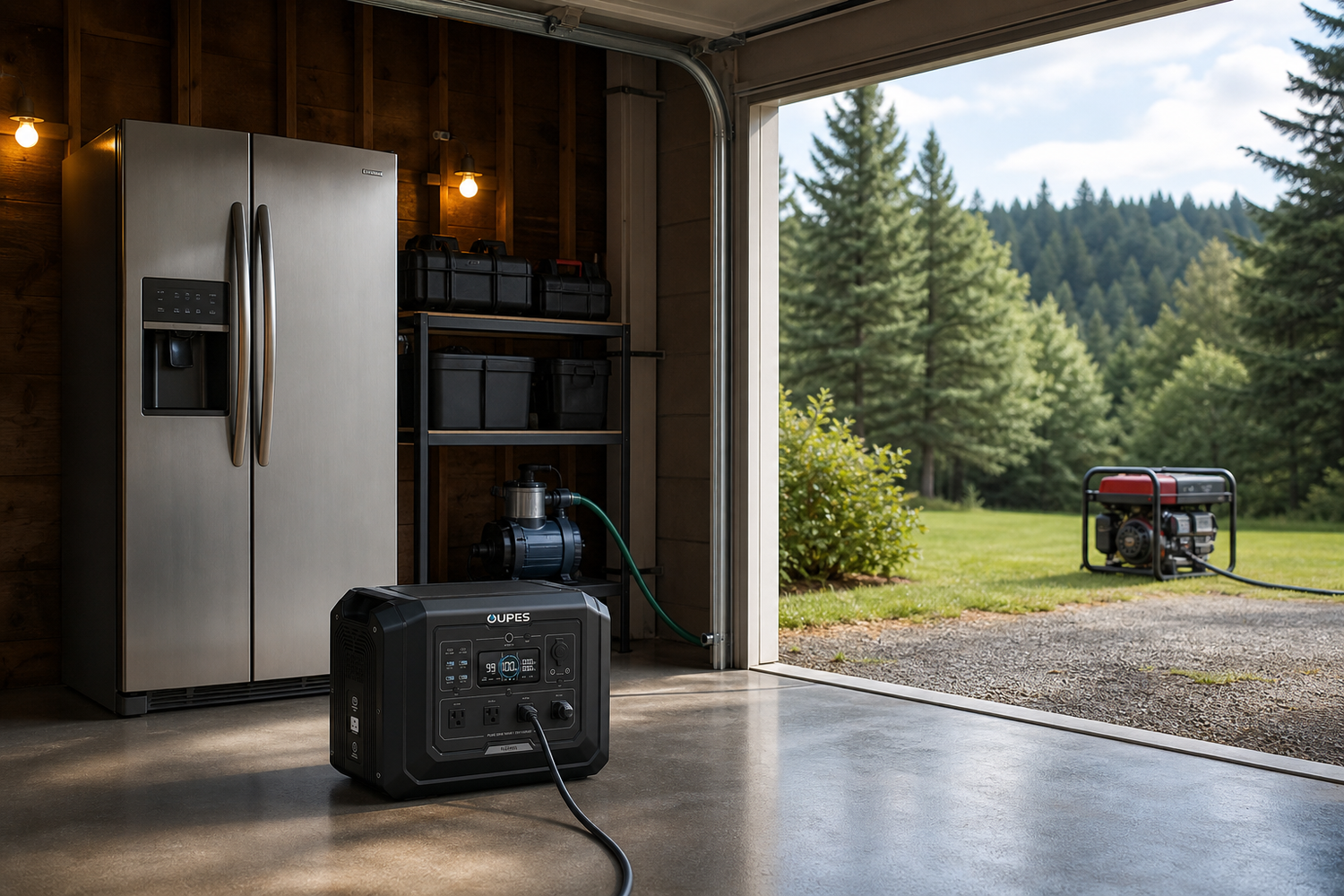
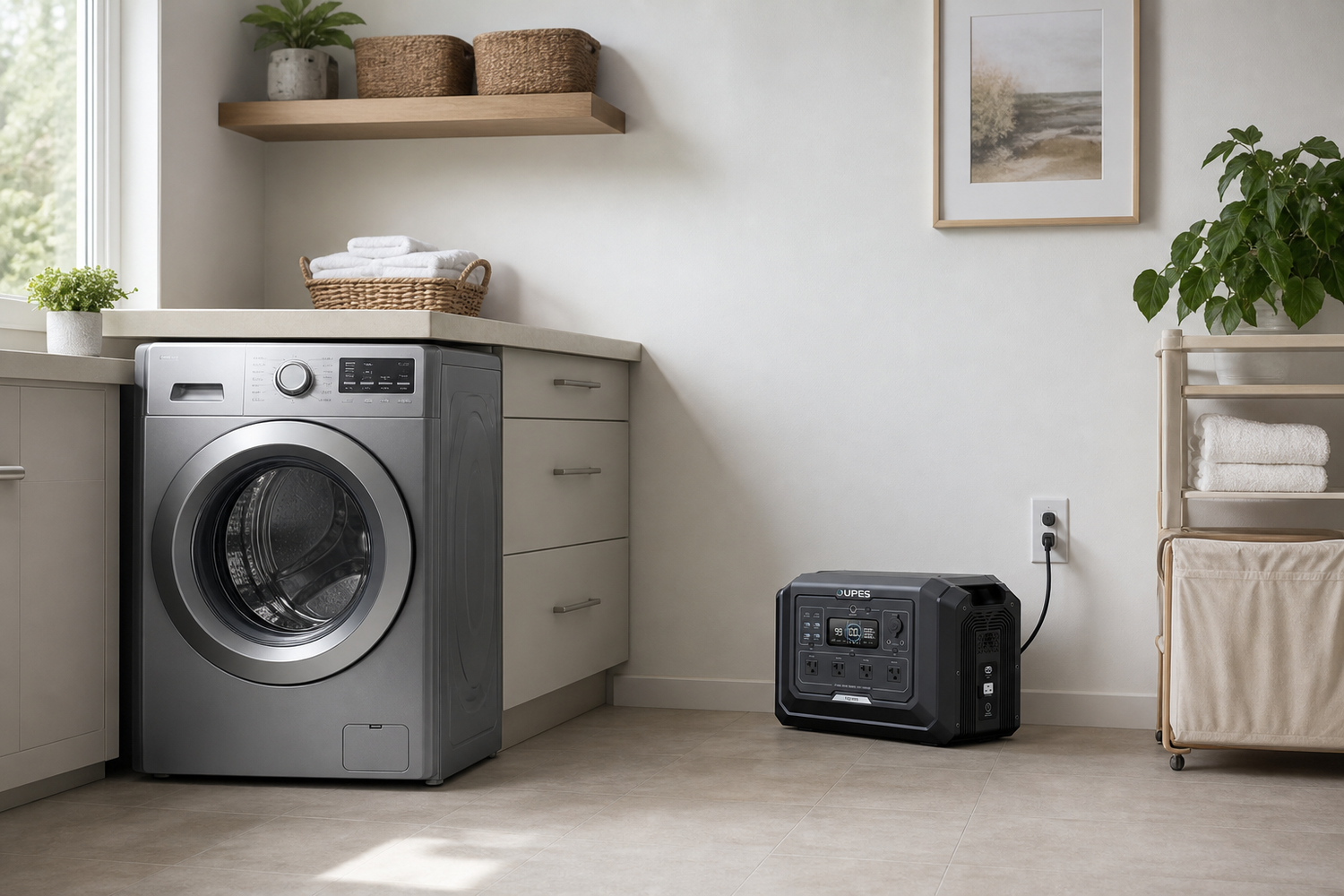
That is where backup power becomes practical rather than optional. Not every home needs a large backup unit, but many households benefit from having a way to keep communications, lighting, and a few essentials running if the outage lasts beyond a short interruption.
OUPES Canada options for practical emergency backup
For a Canada-focused tornado-preparedness article, the most useful way to mention OUPES is by matching the product to the level of outage support a household wants rather than treating every unit as a full-home solution.
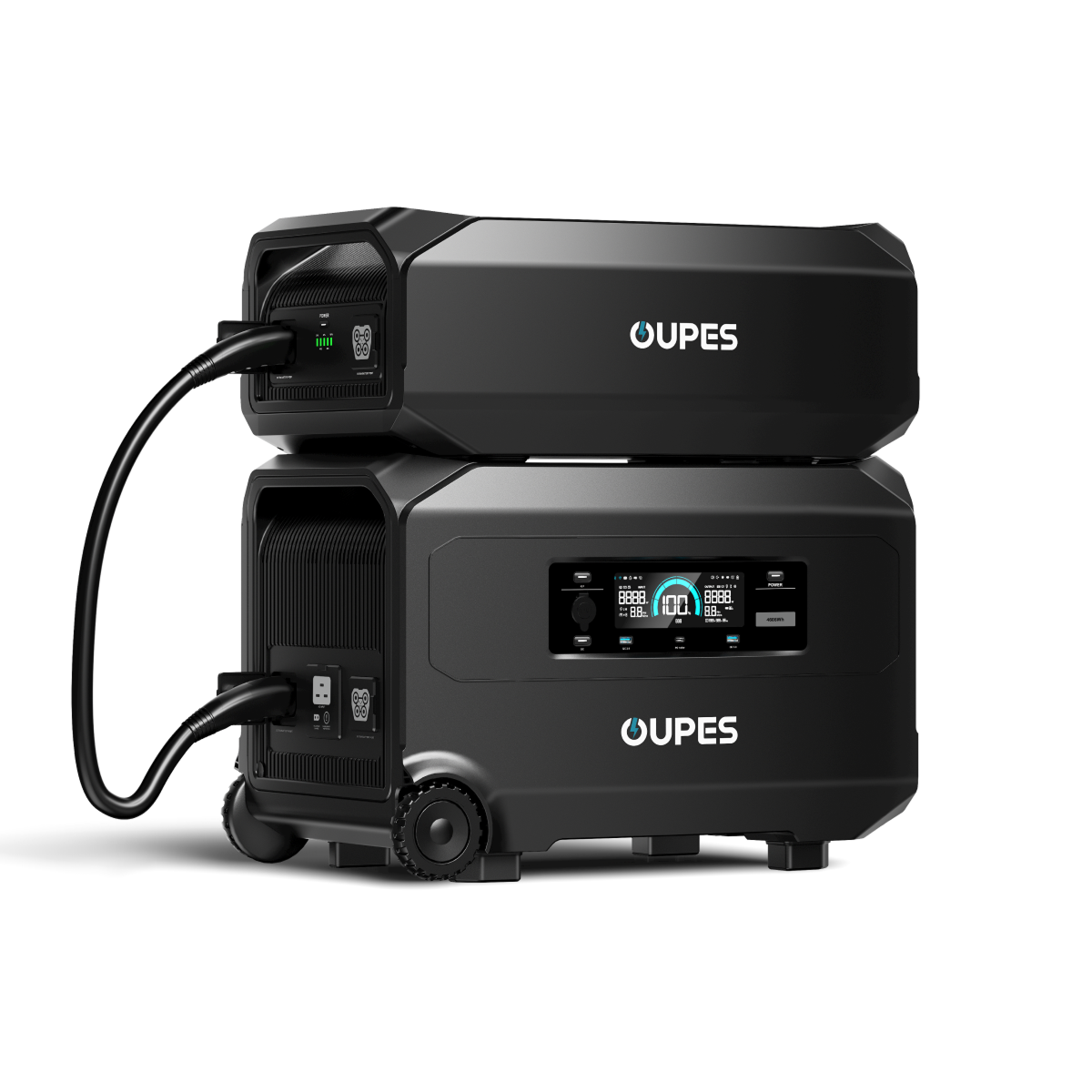
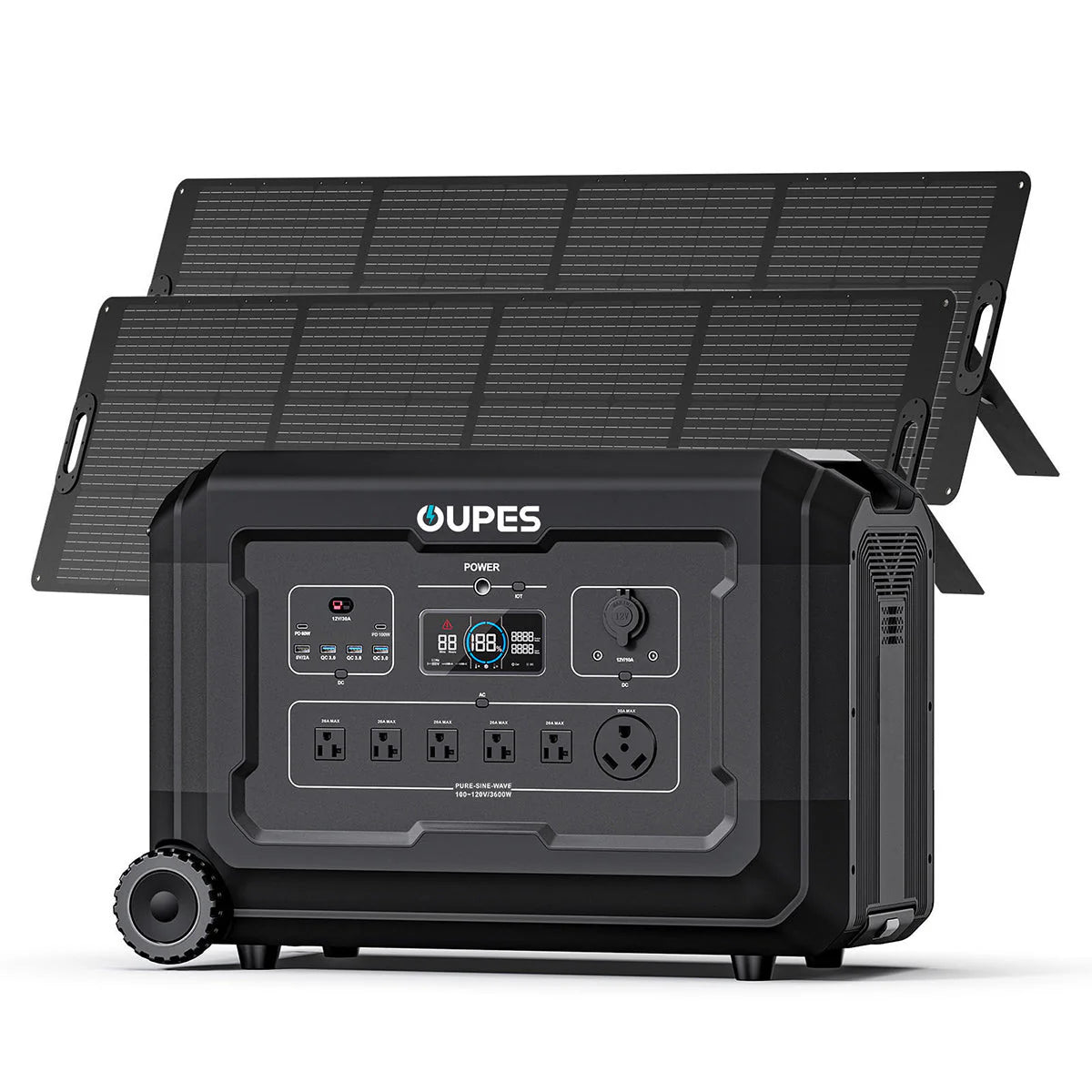
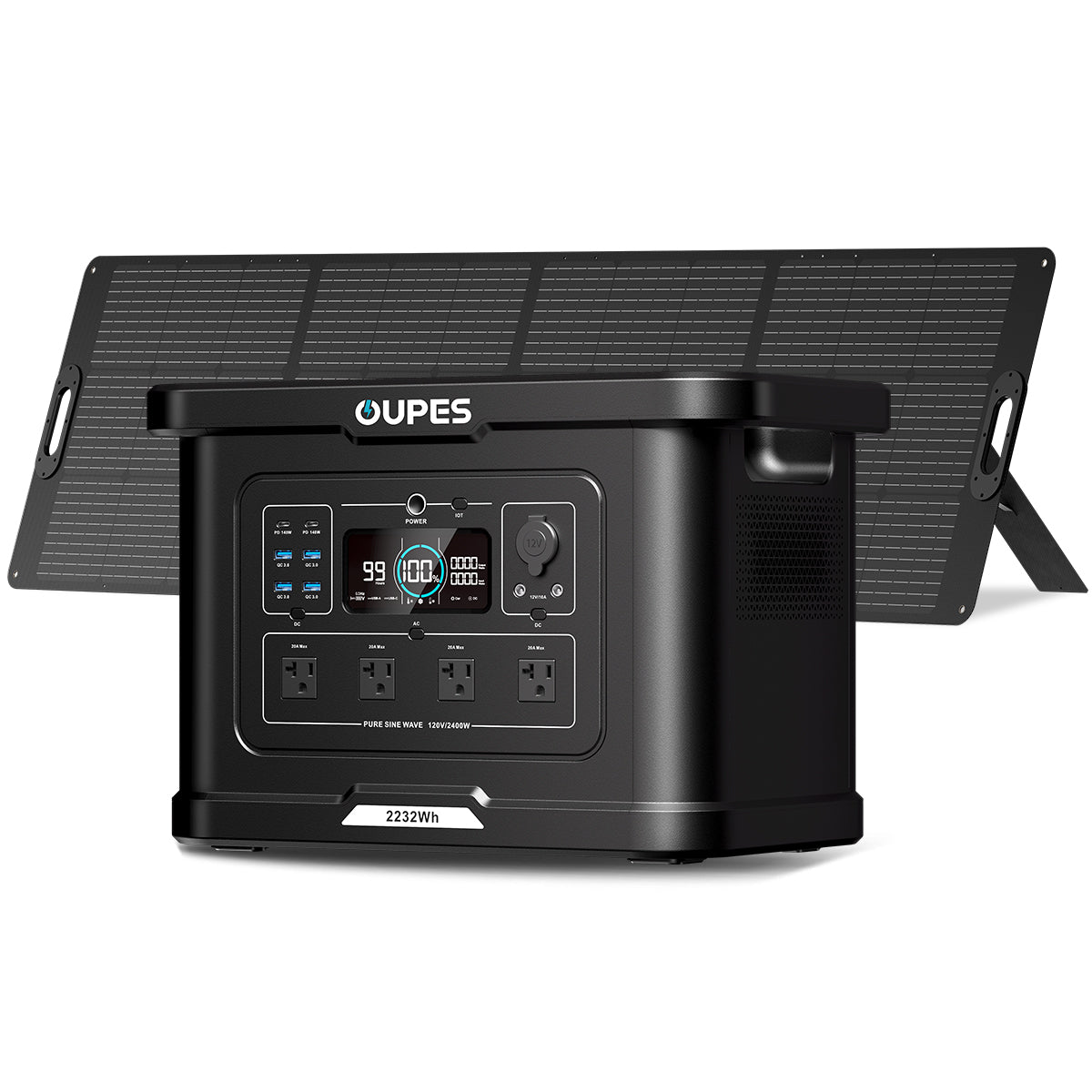
| OUPES Model | Rated Capacity | Rated Output | Best Tornado-Prep Fit |
|---|---|---|---|
| OUPES Mega 1 | 1024Wh | 2000W | Essential devices, communications, lights, and short outage support |
| OUPES Exodus 1500 | 1488Wh | 1500W | Entry-level emergency backup with more runtime margin |
| OUPES Exodus 2400 | 2232Wh | 2400W | Longer outages and broader support for multiple essentials |
| OUPES Mega 3 | 3072Wh | 3600W | More serious outage planning and stronger home-backup flexibility |
The OUPES Mega 1 is the easiest fit for households that want to keep phones, lights, and communications supported during a short outage, because the product page lists it at 1024Wh and 2000W.[6] The OUPES Exodus 1500, listed at 1488Wh and 1500W, adds runtime headroom for households that want a bit more resilience without moving straight to a large home-backup class unit.[7]
The OUPES Exodus 2400 and OUPES Mega 3 step into a more capable tier. The product pages list the Exodus 2400 at 2232Wh and 2400W, and the Mega 3 at 3072Wh and 3600W.[8][9] For readers building a stronger outage plan, those larger capacities make more sense when the goal is not just charging phones, but keeping more household essentials usable after severe weather.
The important point is not that everyone needs the biggest unit. It is that tornado preparedness includes a practical continuity question: what do you want to keep running after the storm, and for how long?
Bottom line
The best way to prepare for a tornado in Canada is to keep the plan simple and actionable. Know where you will shelter, understand alerts, prepare a kit, protect your head and neck, and do not wait until the storm is visible to decide what to do.[1][2] After the storm, stay alert for secondary hazards such as unstable structures, broken glass, and downed power lines, and think ahead about how your household will handle a short or medium-length outage.[1]
That combination of life safety and practical continuity is what makes a tornado plan realistic. It is not about being perfect. It is about being ready enough that when seconds matter, you already know your next move.
References
- Public Safety Canada — Tornadoes: How to prepare before, during, and after a tornado
- Environment and Climate Change Canada — Weather Alerts in Canada
- Government of Canada — Be prepared for summer weather
- Alert Ready — Canada’s emergency alerting system
- Public Safety Canada — Get Prepared
- OUPES Canada — Mega 1 Home Backup & Portable Power Station | 2000W 1024Wh
- OUPES Canada — Exodus 1500 Portable Power Station | 1500W 1488Wh
- OUPES Canada — Exodus 2400 Portable Power Station | 2400W 2232Wh
- OUPES Canada — Mega 3 Home Backup & Portable Power Station | 3600W 3072Wh
FAQ
1. Are tornadoes really a concern in Canada?
Yes. Public Safety Canada says tornadoes have been recorded in every province and territory, though they are most common in southern Alberta, Saskatchewan, Manitoba, Ontario, Quebec, and western New Brunswick.[1]
2. What is the safest place in a house during a tornado?
The safest place is usually the lowest and most central room, preferably a basement or cellar, where you can get under sturdy furniture and protect your head and neck.[1]
3. Should I open windows during a tornado warning?
No. Public Safety Canada specifically says not to open windows. It wastes time and increases your exposure to broken glass and debris.[1]
4. What should I do if I am driving?
Do not try to outrun the tornado. If possible, get to a solid structure. If not, follow official guidance by pulling off safely and seeking a lower area only if it is safe to do so, while watching for hazards such as rising water and power lines.[1][3]
5. Is a mobile home safe during a tornado?
No. Public Safety Canada says mobile homes do not offer much protection from tornadoes, and you should go to the nearest sturdy building or shelter immediately.[1]
6. Why is backup power useful after a tornado?
Because severe weather can interrupt lighting, charging, communications, and other essentials. Backup power helps keep the household functioning while repairs, inspections, or broader service restoration are underway.
7. Which OUPES model is best for tornado preparedness?
That depends on your goal. The Mega 1 and Exodus 1500 suit lighter essentials-level backup, while the Exodus 2400 and Mega 3 make more sense for households that want longer runtime or broader emergency support.[6][7][8][9]

Leave a comment
This site is protected by hCaptcha and the hCaptcha Privacy Policy and Terms of Service apply.