








Table of Contents
- Introduction
- Short Answer: Yes, This Is Called Pass-Through Charging
- What Is Pass-Through Charging?
- How It Works in Real-World Use
- Key Benefits of Charging While Using
- Limitations and Trade-Offs
- Efficiency and Energy Flow Explained
- OUPES Solar Generator Capability
- Best Use Scenarios
- Safety Tips and Best Practices
- Final Thoughts
- FAQ
Introduction
Solar generators have become an essential power solution for camping, home backup, and off-grid living. One of the most frequently asked questions is: can you charge a solar generator while using it?
This question is especially important for users who want continuous power during long outdoor trips or extended power outages. The ability to charge and discharge at the same time can significantly improve usability and efficiency.
This article explains how this feature works, when it is useful, and what limitations you should be aware of.
Short Answer: Yes, This Is Called Pass-Through Charging
Yes, most modern solar generators can be charged while simultaneously powering devices. This feature is known as pass-through charging.
It allows electricity to flow into the battery while power is being drawn out, enabling continuous operation without interruption.
What Is Pass-Through Charging?
Pass-through charging refers to the ability of a power station to:
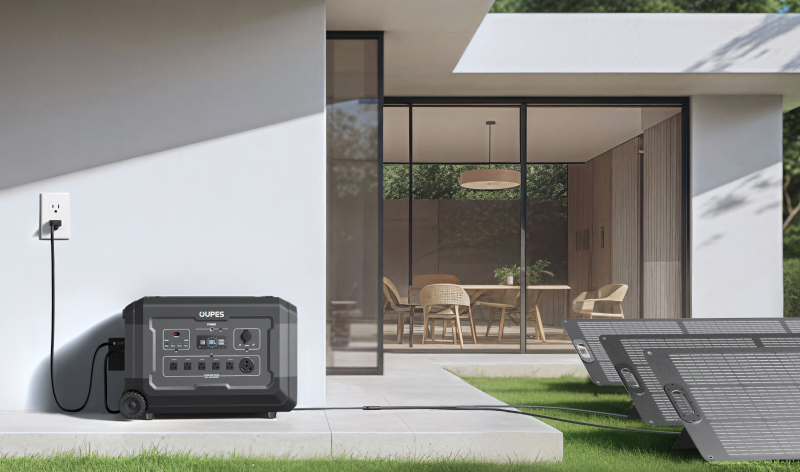
- Receive energy from a charging source (solar panels, AC wall, or car)
- Deliver energy to connected devices at the same time
Instead of stopping output while charging, the system manages both flows simultaneously using internal circuitry and battery management systems.
How It Works in Real-World Use
The internal system prioritizes energy distribution in the following way:
- Incoming energy from solar or AC is used to power connected devices first
- Any excess energy is stored in the battery
- If incoming power is insufficient, the battery supplements the output
This dynamic balancing allows continuous operation even when energy supply fluctuates.
Key Benefits of Charging While Using
1. Continuous Power Supply
You can keep devices running without interruption, even during long usage periods.
2. Improved Energy Efficiency
Solar energy can be used immediately instead of being stored and discharged later.
3. Extended Runtime
Charging during use reduces battery depletion, effectively increasing runtime.
4. Ideal for Off-Grid Use
This feature is essential for camping, RV trips, and remote work setups.
Limitations and Trade-Offs
While pass-through charging is useful, it has some limitations:
- Input power limits: If charging input is lower than output demand, the battery will still drain
- Heat generation: Simultaneous charging and discharging can increase internal temperature
- Efficiency loss: Energy conversion results in minor losses
Understanding these limitations helps you use the feature effectively.
Efficiency and Energy Flow Explained
Let’s look at a practical example:
- Solar input: 500W
- Device usage: 300W
Result:
- 300W goes directly to devices
- 200W charges the battery
If the situation reverses:
- Solar input: 300W
- Device usage: 500W
Result:
- 300W from solar
- 200W from battery
This demonstrates how the system dynamically balances supply and demand.
OUPES Solar Generator Capability
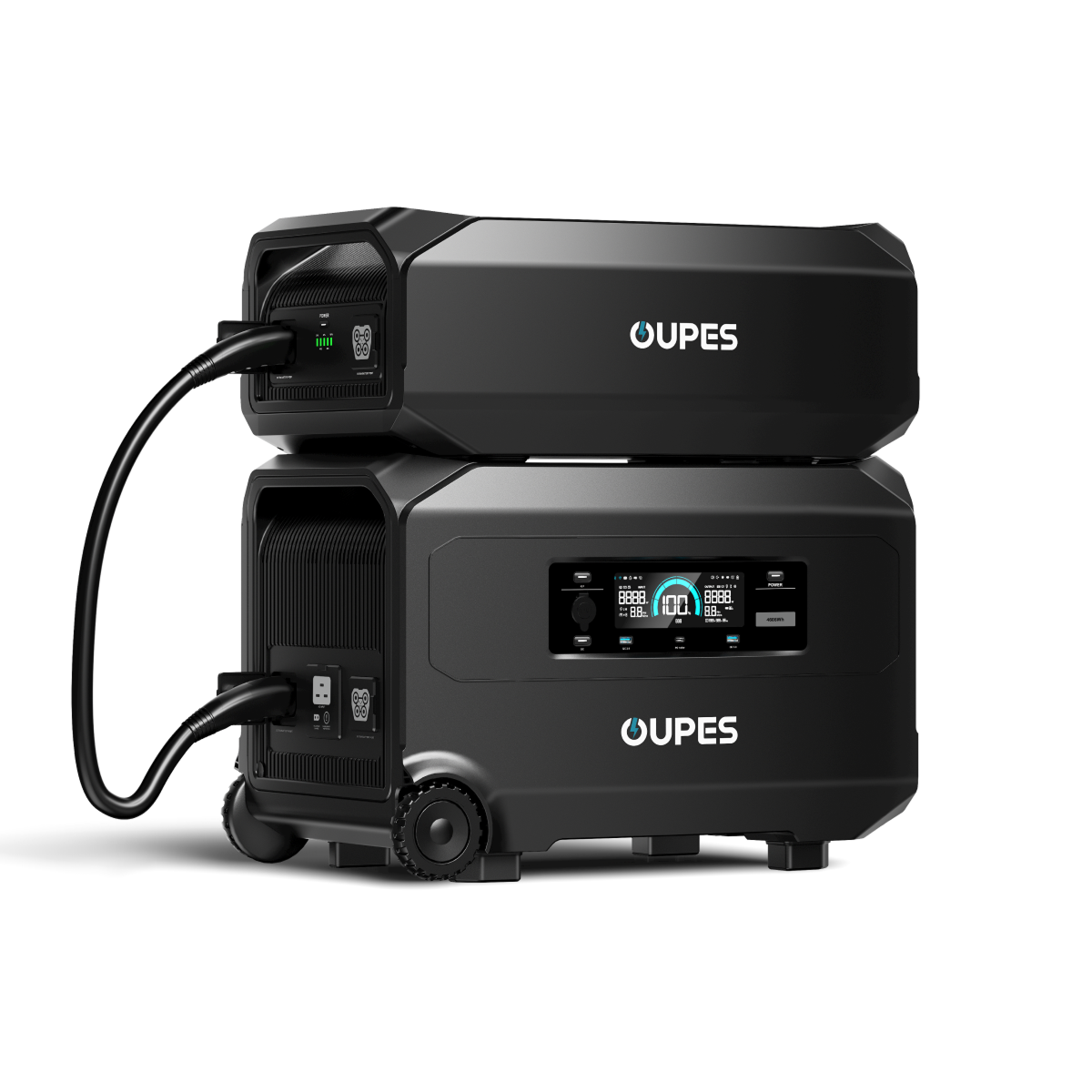
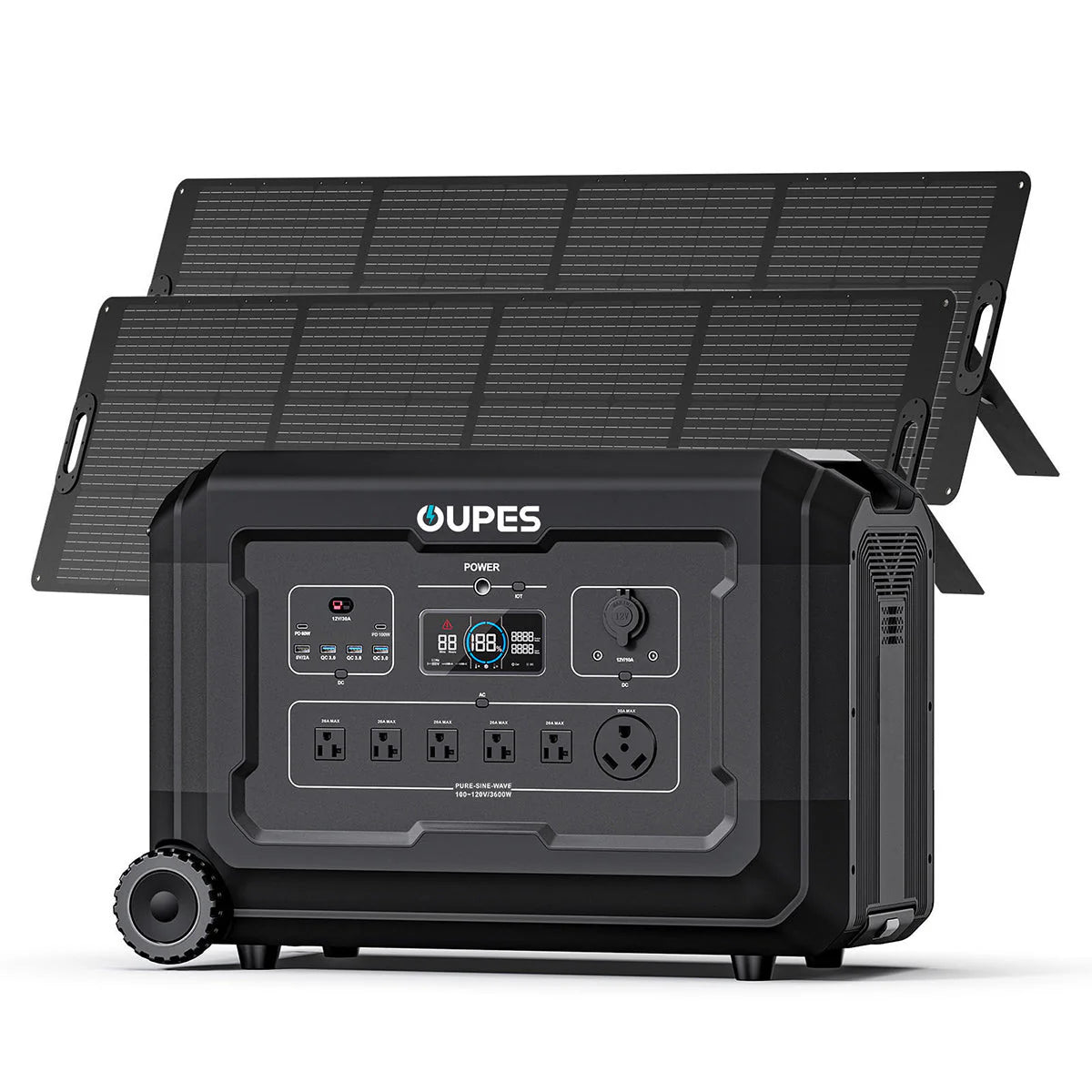
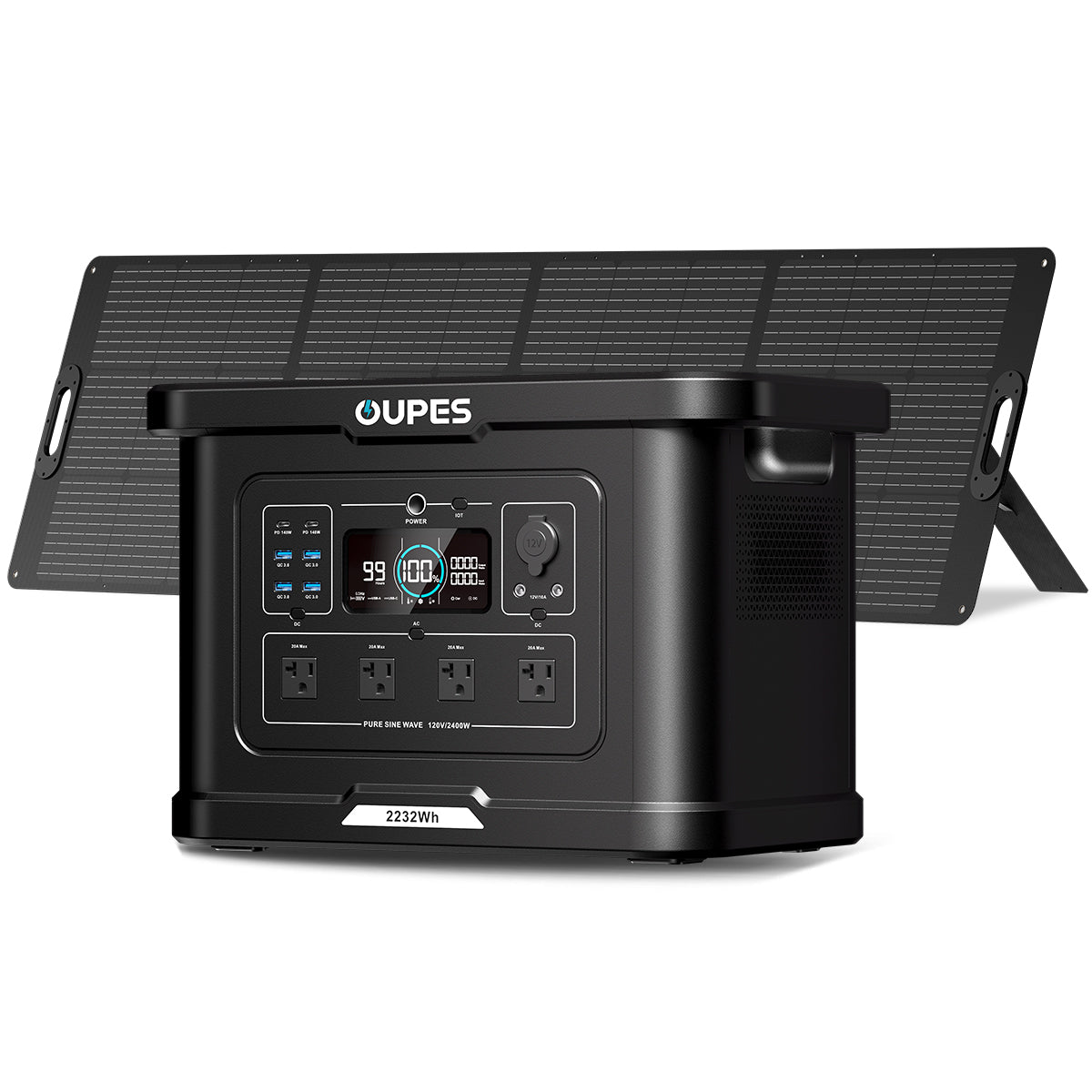
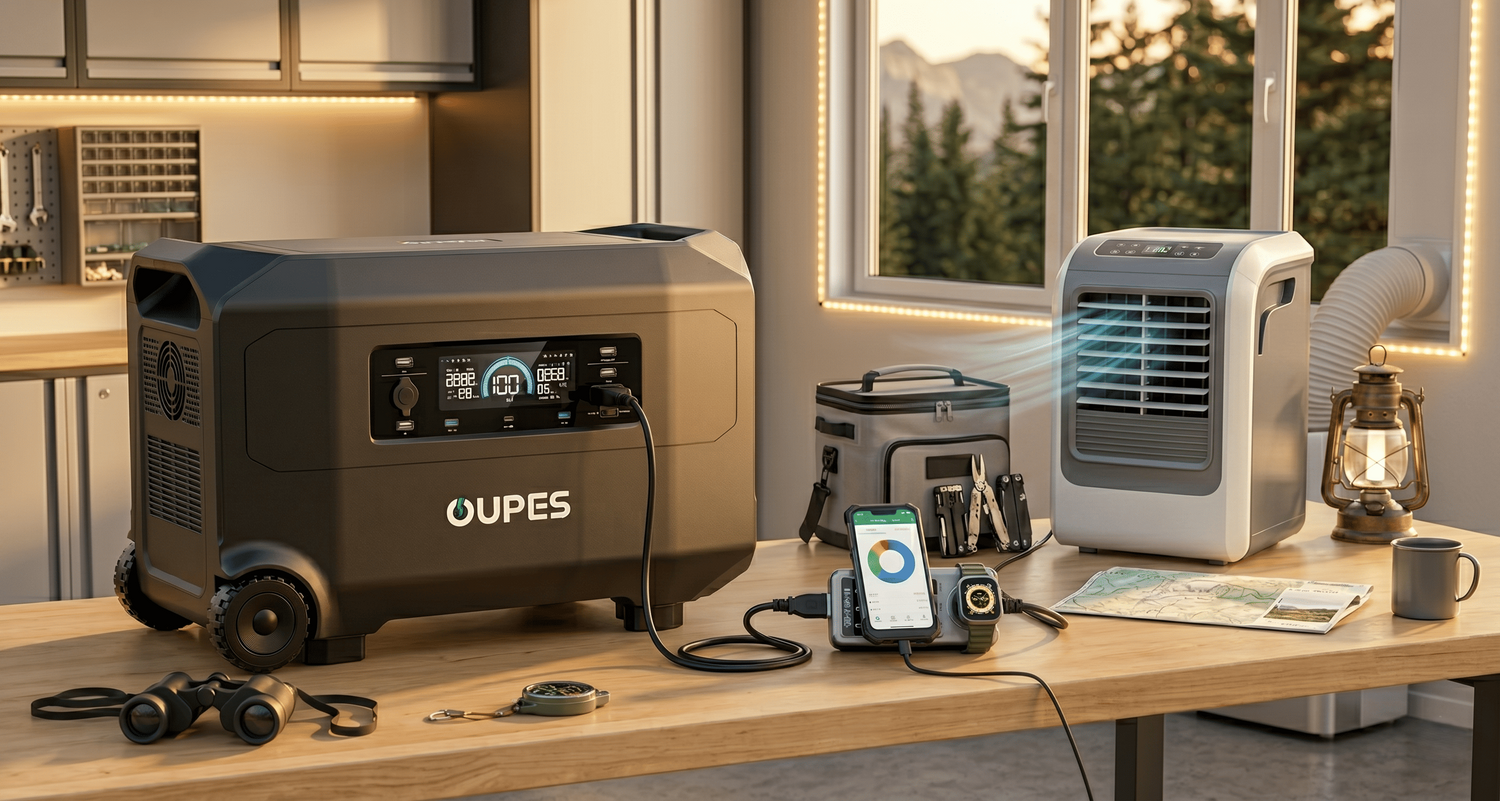
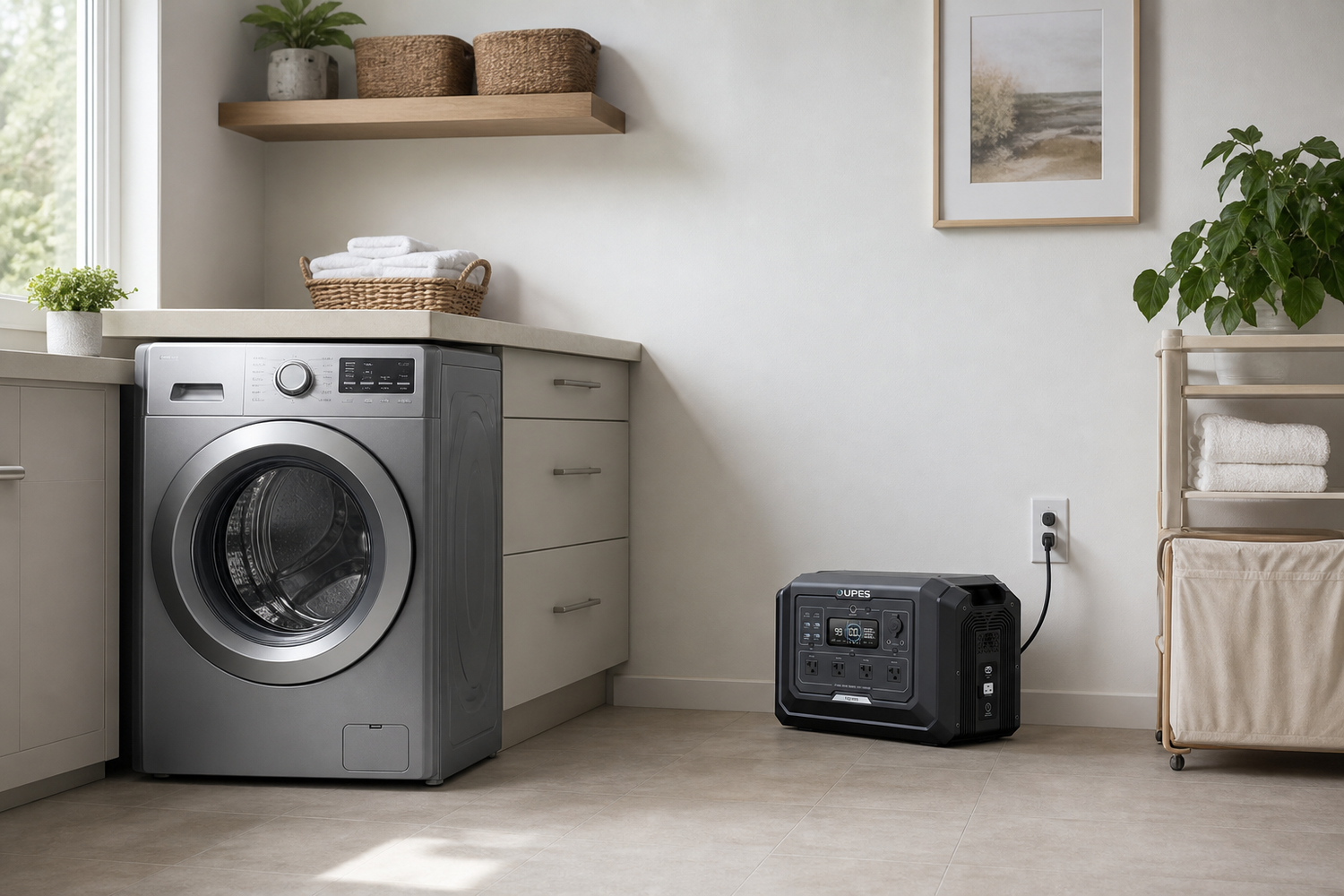
OUPES portable power stations support pass-through charging, allowing users to charge and use the system simultaneously.
Key advantages include:
- Stable power output during charging
- Efficient energy management
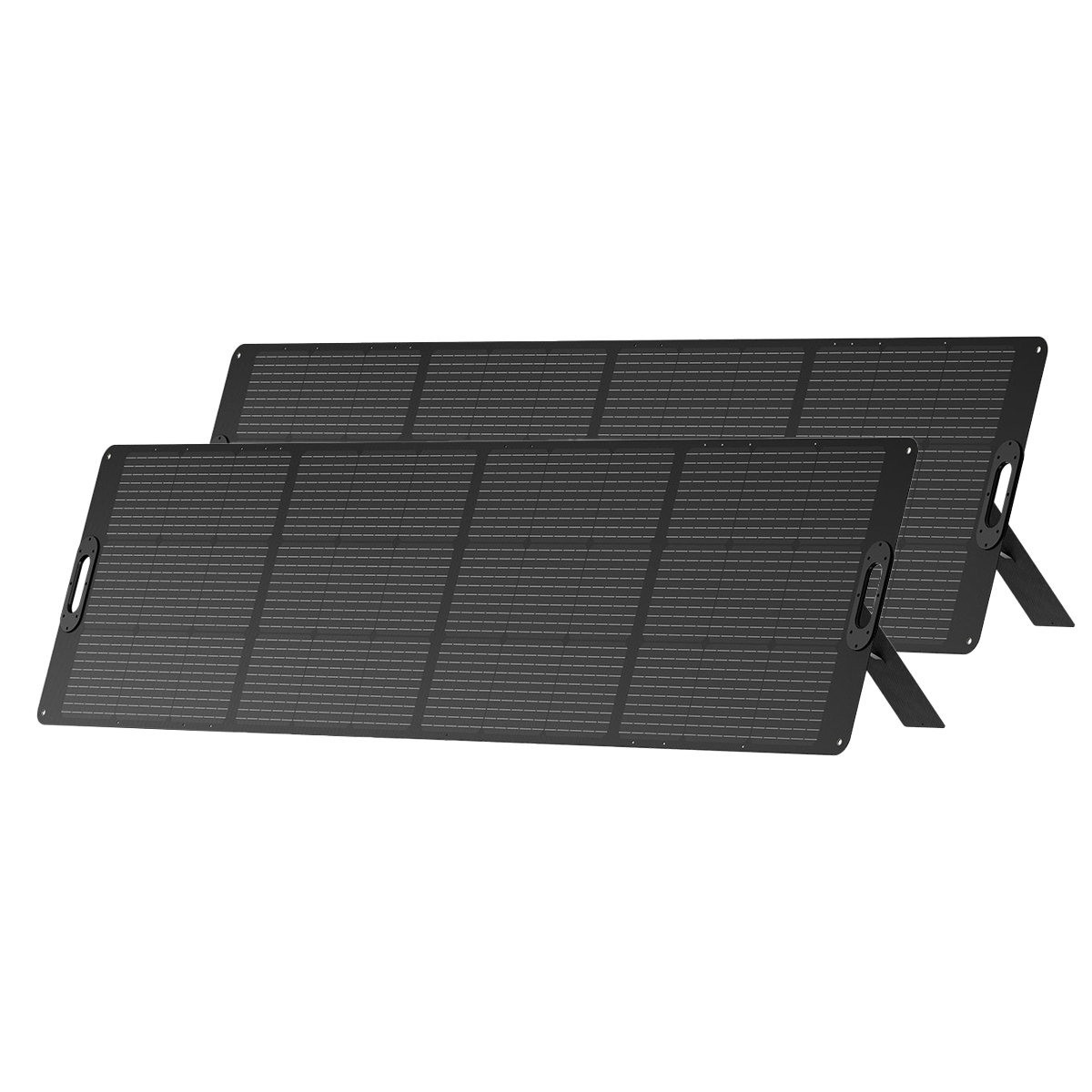
- Compatibility with solar panels and AC charging
This makes them suitable for continuous-use scenarios such as outdoor activities and emergency backup.
Best Use Scenarios
Camping
Charge during the day with solar panels while powering lights and devices.
Home Backup
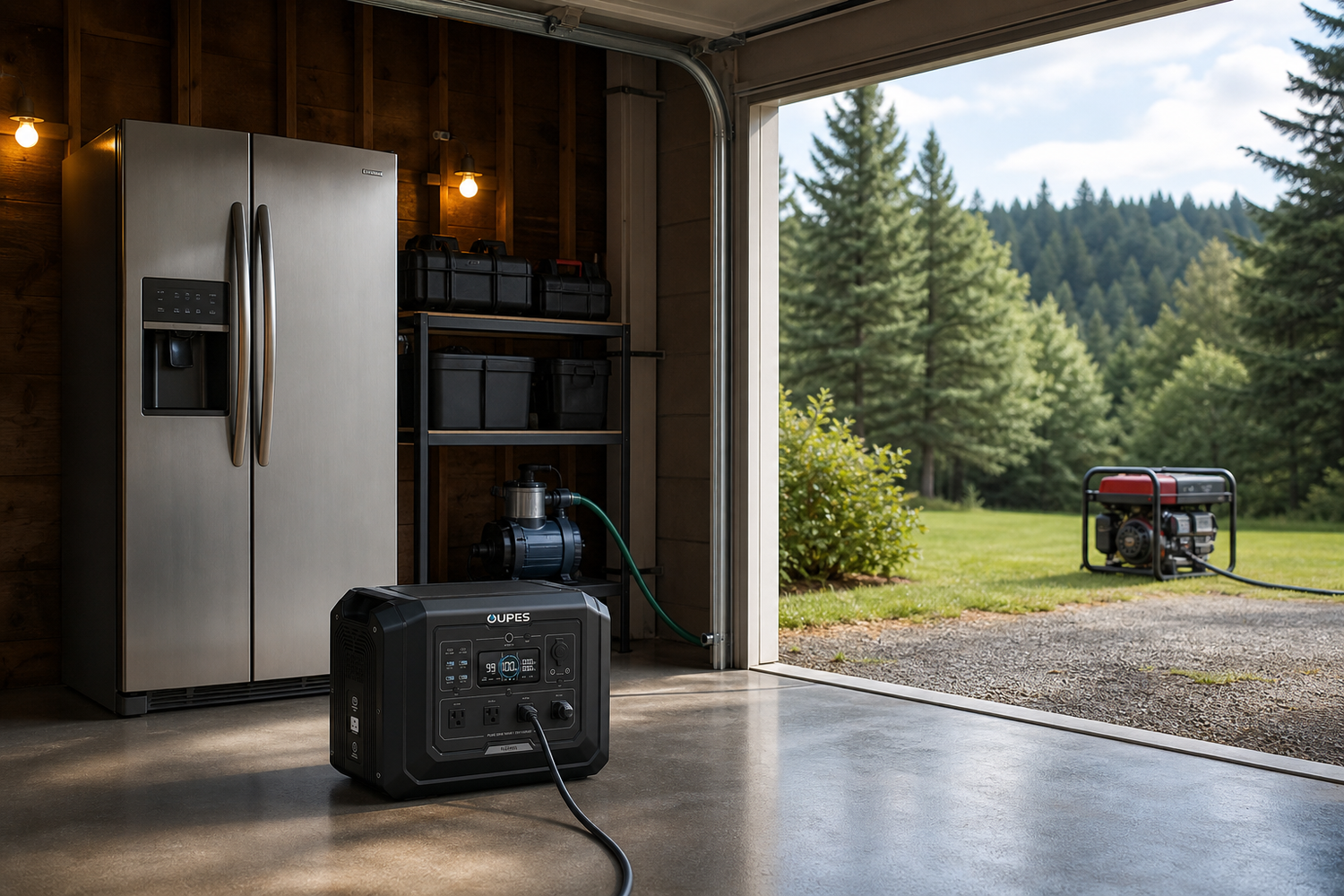
Maintain power during outages while recharging when electricity returns.
RV and Off-Grid Living
Support daily energy needs while continuously recharging from solar panels.
Remote Work
Keep laptops and communication devices powered without interruption.
Safety Tips and Best Practices
- Ensure adequate ventilation to prevent overheating
- Avoid exceeding output capacity
- Use compatible charging sources
- Monitor battery levels during heavy usage
- Do not block cooling vents
Following these practices ensures safe and efficient operation.
Final Thoughts
So, can you charge a solar generator while using it? Yes—and this feature significantly enhances its usability.
Pass-through charging allows continuous power, improves efficiency, and extends runtime, making solar generators more practical for real-world applications.
However, understanding input/output balance and system limitations is key to maximizing performance. When used correctly, this feature transforms a solar generator into a reliable, continuous power solution.
FAQ
1. Can all solar generators charge while in use?
Most modern models support pass-through charging, but specifications may vary.
2. Does charging while using reduce battery life?
Not significantly, if the system is designed for it and used properly.
3. Can I use solar panels and AC charging at the same time?
Some systems support hybrid charging, depending on the model.
4. What happens if output exceeds input?
The battery will supply the additional power.
5. Is pass-through charging safe?
Yes, when used within the system’s limits.
6. Does it affect charging speed?
Yes, charging may be slower if power is being used simultaneously.
7. Can I run appliances continuously?
Yes, if input power meets or exceeds usage.
8. Is this feature useful for emergencies?
Yes, it allows continuous power during outages.

Leave a comment
This site is protected by hCaptcha and the hCaptcha Privacy Policy and Terms of Service apply.