








Table of Contents
- Introduction
- Short Answer: Yes, But It Depends
- How Much Power Does a Refrigerator Use?
- Key Requirements to Run a Refrigerator
- How Long Can a Power Station Run a Fridge?
- Different Types of Refrigerators and Their Impact
- Real-World Scenarios
- OUPES Power Stations for Refrigerators
- Extending Runtime with Solar Panels
- Practical Tips to Maximize Runtime
- Final Thoughts
- FAQ
Introduction
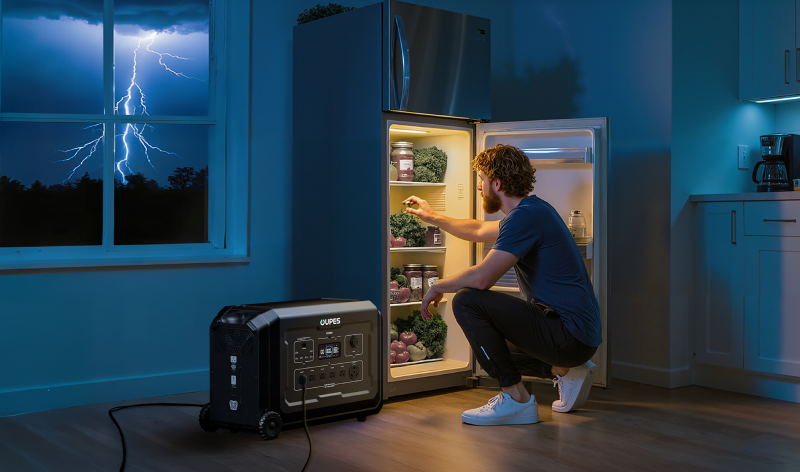
Portable power stations are increasingly used for emergency backup, camping, and off-grid living. One of the most important questions users ask is: can a portable power station run a refrigerator?
This is a critical question because refrigerators are essential appliances for preserving food and medicine. The answer is yes—but it depends on several key factors such as the power station’s capacity, output, and the refrigerator’s energy consumption.
This guide explains how to determine compatibility, estimate runtime, and choose the right setup for reliable refrigeration power.
Short Answer: Yes, But It Depends
A portable power station can run a refrigerator if it meets two conditions:
- Sufficient output power (W) to handle startup surge
- Sufficient capacity (Wh) to sustain runtime
Most modern refrigerators require both a continuous power supply and a higher surge power when the compressor starts.
How Much Power Does a Refrigerator Use?
Refrigerator power consumption varies depending on size and type.
| Refrigerator Type | Running Power | Startup Surge | Daily Consumption |
|---|---|---|---|
| Mini Fridge | 50–100W | 150–300W | 300–600Wh |
| Standard Fridge | 100–200W | 300–600W | 800–1500Wh |
| Large Fridge | 200–400W | 600–1200W | 1500–3000Wh |
Importantly, refrigerators do not run continuously. They cycle on and off, which affects total energy usage.
Key Requirements to Run a Refrigerator
1. Output Power (W)
The power station must handle the startup surge. For most refrigerators, a unit with at least 1500W output is recommended.
2. Battery Capacity (Wh)
Capacity determines how long the fridge can run. Larger capacity means longer runtime.
3. Pure Sine Wave Inverter
Refrigerators require stable AC power. Most modern portable power stations, including OUPES models, provide pure sine wave output.
How Long Can a Power Station Run a Fridge?
To estimate runtime, use the formula:
Runtime = Capacity × 0.8 ÷ Fridge Wattage
The 0.8 factor accounts for real-world energy losses.
Example Calculations
| Power Station | Usable Energy | Fridge (150W) | Estimated Runtime |
|---|---|---|---|
| 1024Wh | ~820Wh | 150W | ~5.5 hours |
| 2048Wh | ~1638Wh | 150W | ~10.9 hours |
| 3072Wh | ~2458Wh | 150W | ~16.4 hours |
Because refrigerators cycle on and off, actual runtime can be significantly longer in real-world use.
Different Types of Refrigerators and Their Impact
Mini Fridges
These are the easiest to run and require the least power.
Standard Household Refrigerators
Require moderate capacity and higher surge handling.
Energy-Efficient Models
Modern energy-efficient refrigerators consume less power, extending runtime.
RV or Portable Fridges
Designed for efficiency and ideal for use with portable power stations.
Real-World Scenarios
Emergency Backup
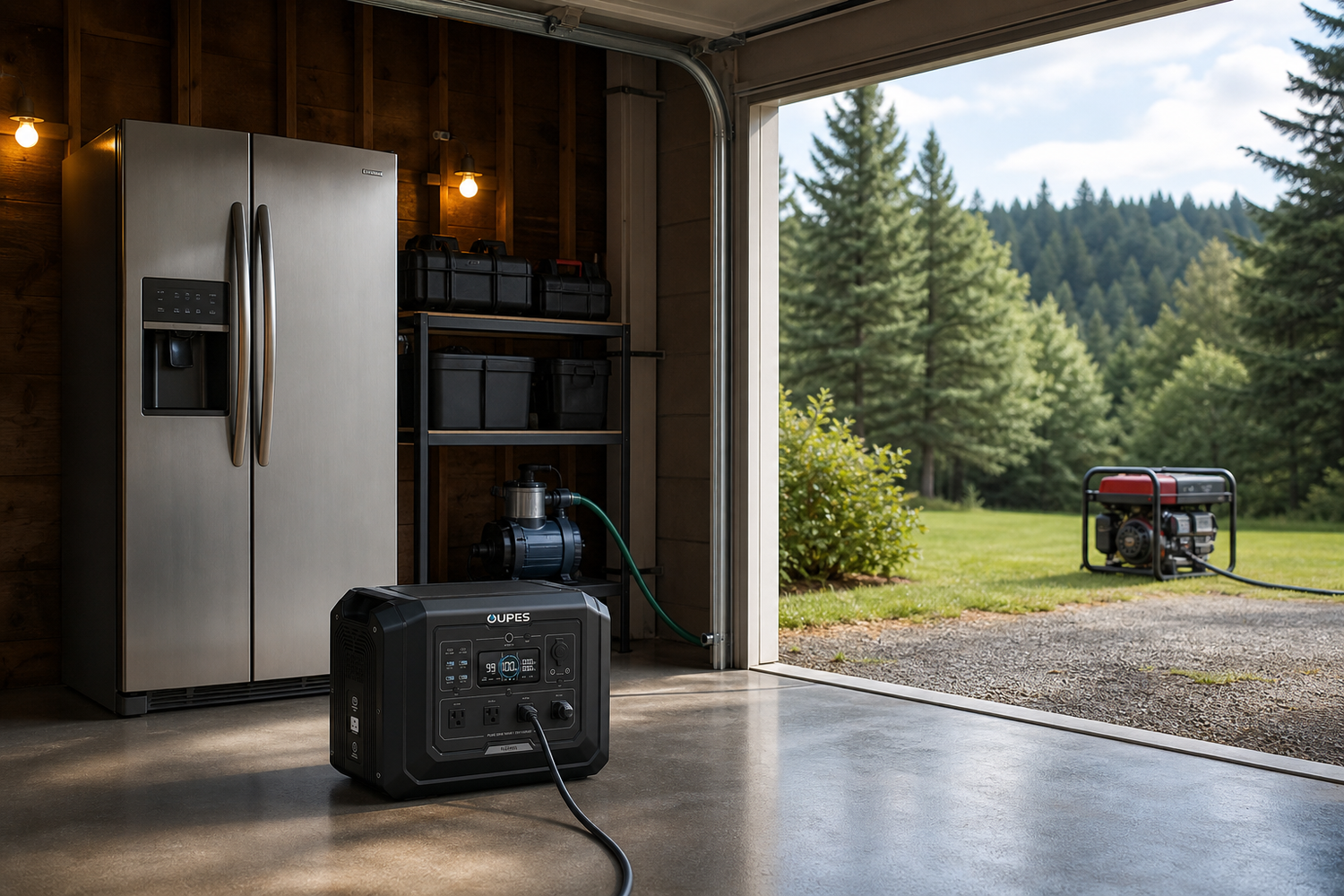
During power outages, a portable power station can keep food safe for several hours or longer depending on capacity.
Camping
Portable fridges can run efficiently with mid-sized power stations.
Off-Grid Living
Larger systems combined with solar panels can provide continuous refrigeration.
OUPES Power Stations for Refrigerators
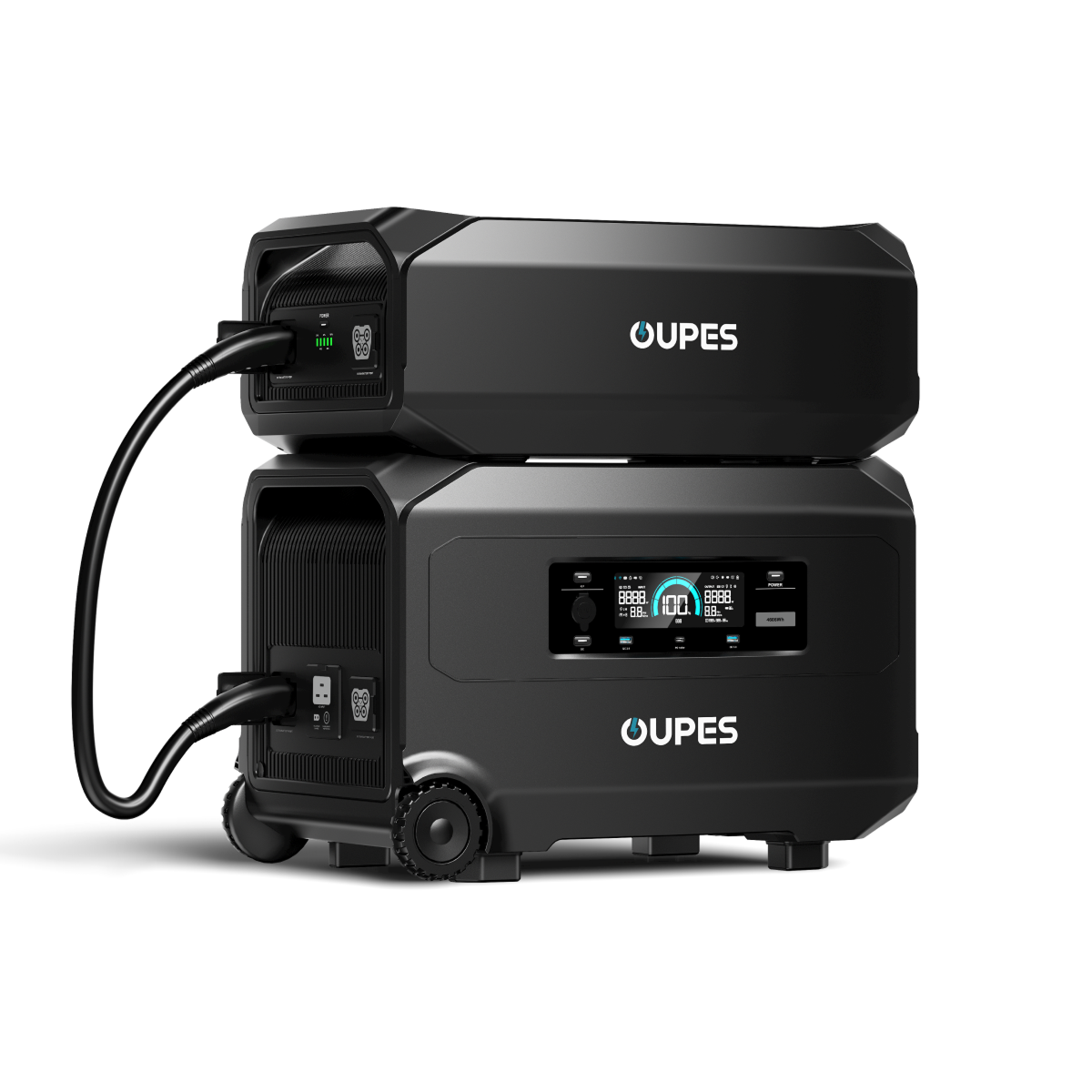
OUPES Mega 1
With 1024Wh capacity and 2000W output, it can run a mini fridge or short-term backup for standard refrigerators.
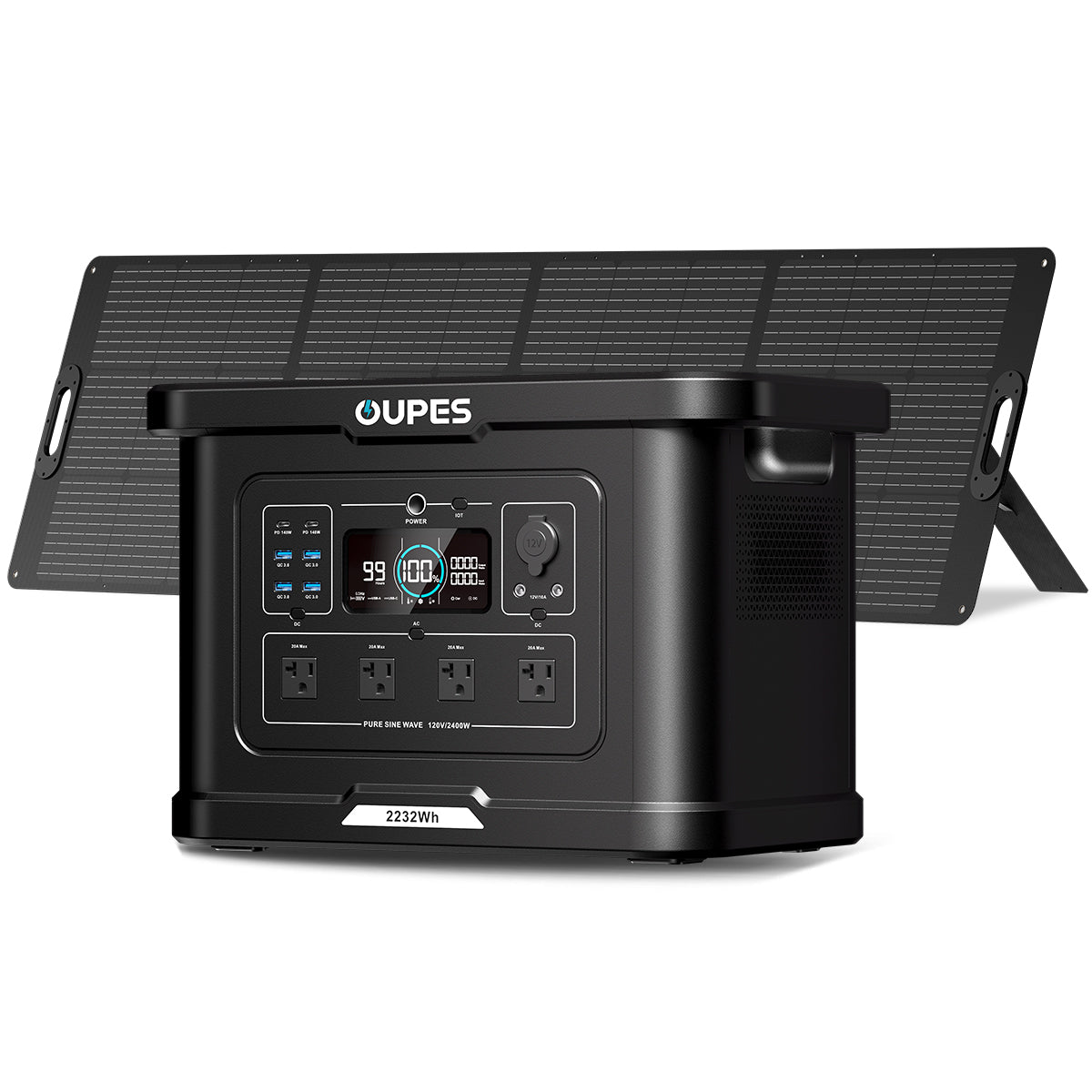
OUPES Mega 2
With 2048Wh capacity and 2500W output, it is ideal for running refrigerators for extended periods.
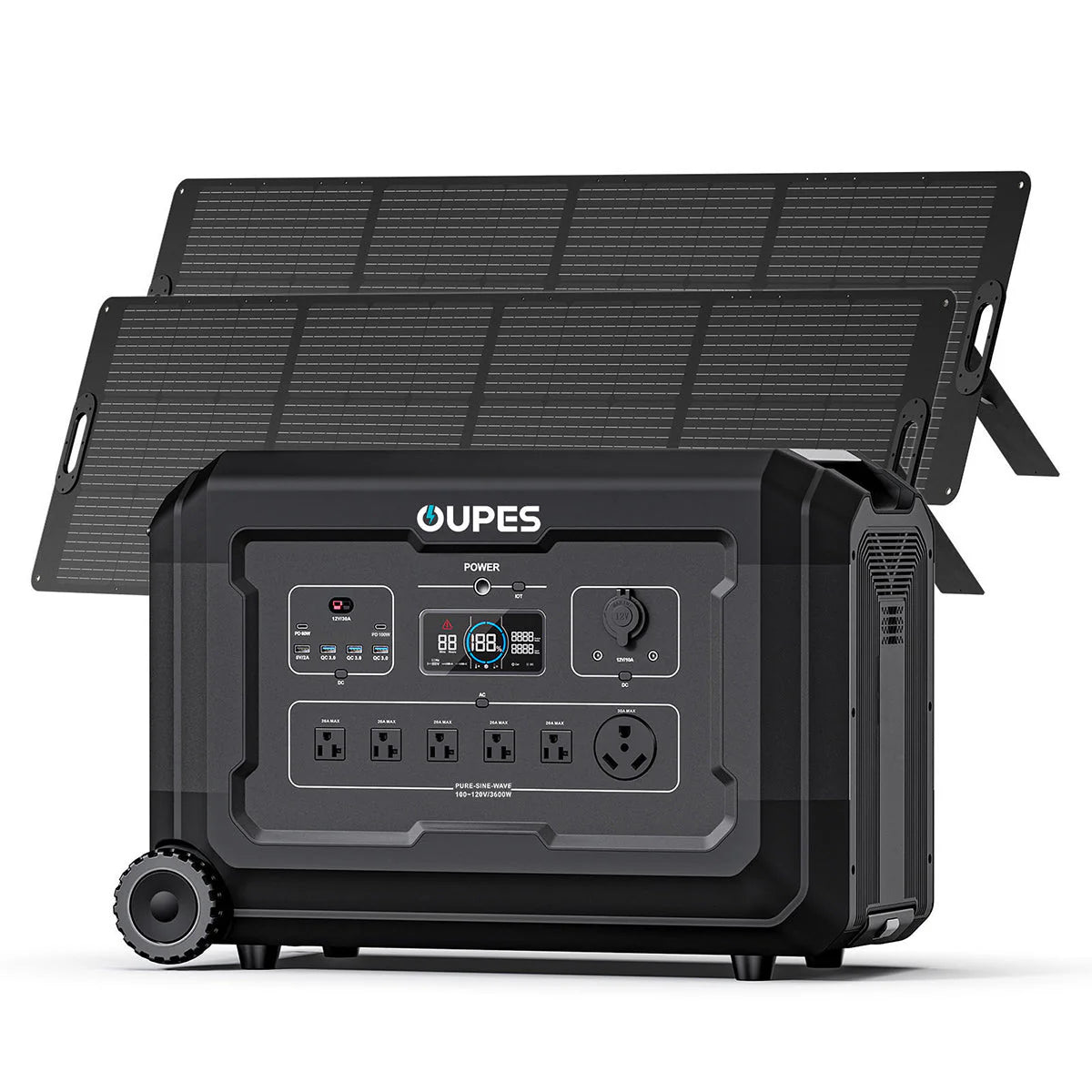
OUPES Mega 3
With 3072Wh capacity and 3600W output, it provides longer runtime and supports multiple appliances simultaneously.
These models offer LiFePO4 battery technology and stable output, making them suitable for refrigeration use.
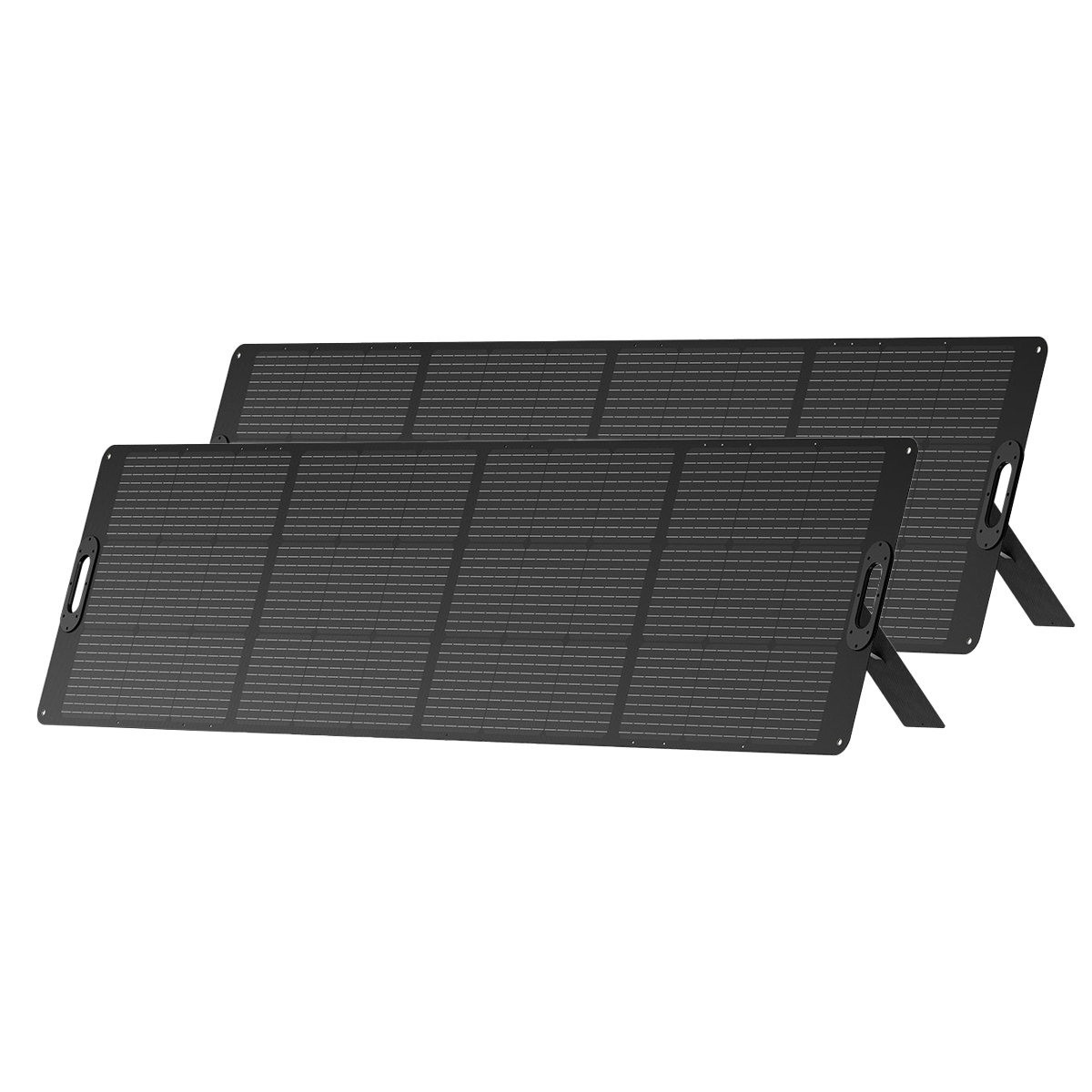
Extending Runtime with Solar Panels
Solar panels can significantly extend runtime by recharging the power station during the day.
- 200W solar panel → ~800–1000Wh/day
- 400W solar setup → ~1500–2000Wh/day
This setup can support continuous fridge operation in off-grid scenarios.
Practical Tips to Maximize Runtime
- Keep the refrigerator door closed as much as possible
- Pre-cool the fridge before connecting to the power station
- Use energy-efficient models when possible
- Run the fridge at optimal temperature settings
- Combine with solar charging for longer use
Final Thoughts
Yes, a portable power station can run a refrigerator—but choosing the right system is essential. You need to consider both output power and battery capacity to ensure compatibility and sufficient runtime.
For short outages or camping, smaller units may be enough. For longer backup or off-grid use, larger capacity systems provide more reliable performance.
By understanding energy requirements and using realistic runtime calculations, you can confidently power your refrigerator with a portable power station.
FAQ
1. Can a portable power station run a full-size refrigerator?
Yes, if it has enough output (1500W+) and sufficient capacity.
2. How long can it run a fridge?
Typically 5–16 hours depending on capacity and fridge type.
3. Do refrigerators run continuously?
No, they cycle on and off, which extends runtime.
4. What size power station do I need?
At least 1000Wh for small fridges, 2000Wh+ for standard ones.
5. Can I use solar panels with a power station?
Yes, solar panels can recharge the unit and extend runtime.
6. Is it safe to run a fridge on a power station?
Yes, if the unit provides stable AC output.
7. Can it run multiple appliances at once?
Yes, depending on output capacity.
8. Is a bigger capacity always better?
Not always, but it provides longer runtime.

Leave a comment
This site is protected by hCaptcha and the hCaptcha Privacy Policy and Terms of Service apply.